 Posted by


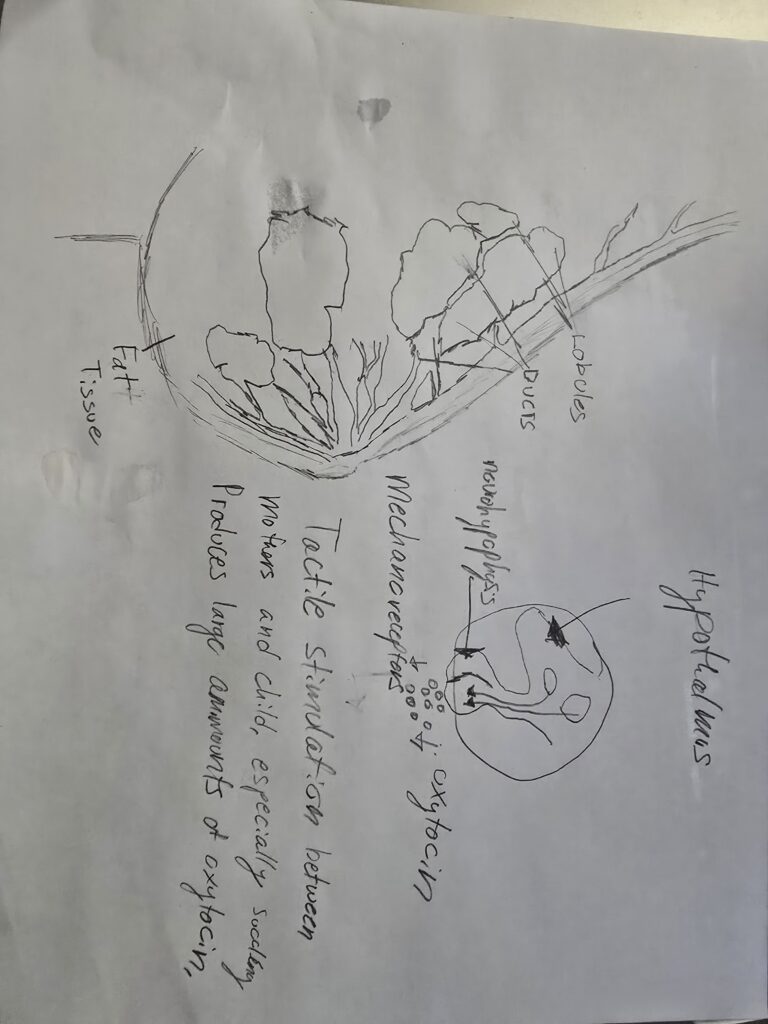
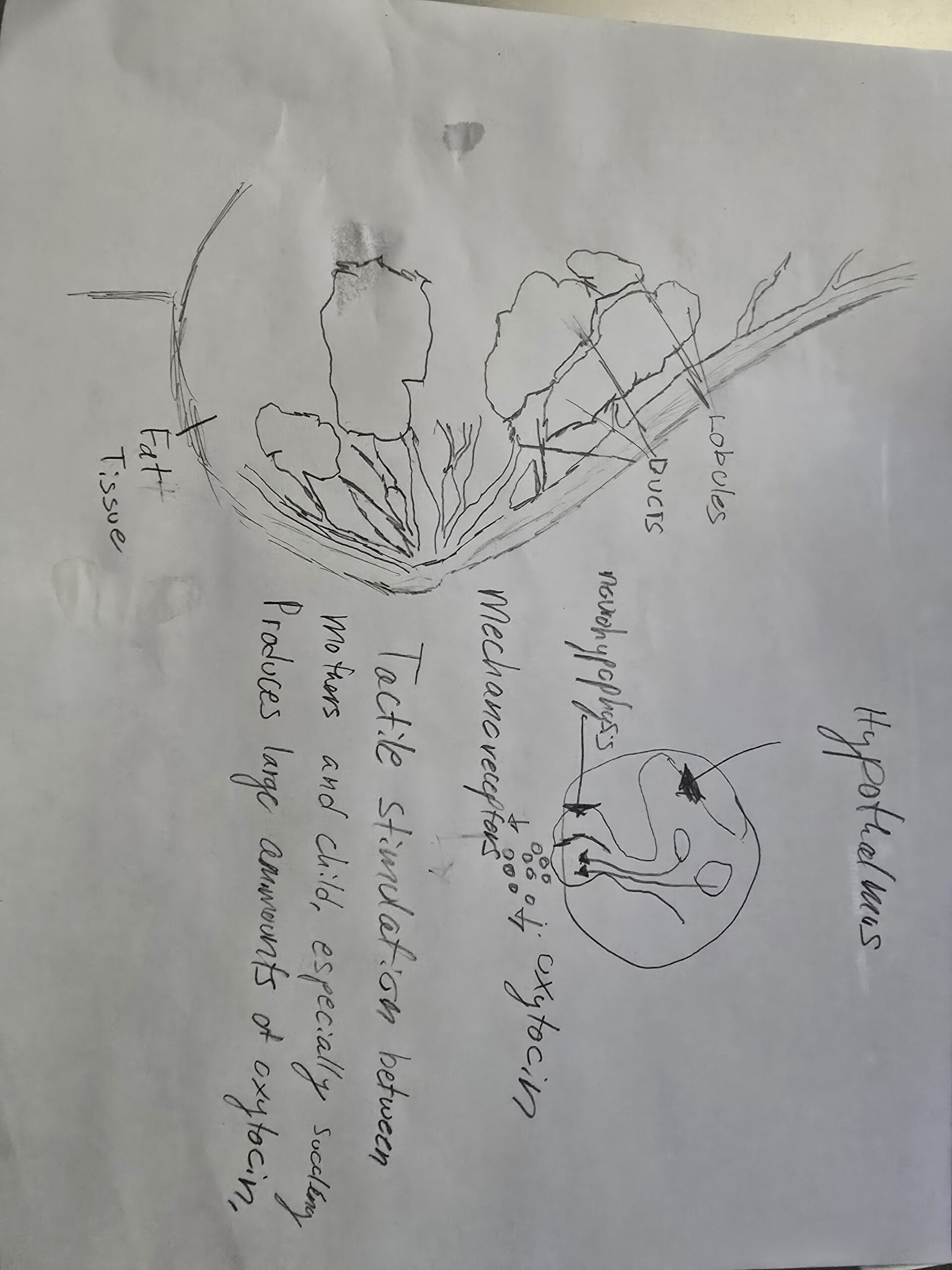
Oxytocin, a crucial hormone, drives maternal bonding. Oxytocin is released when a mother thinks of her child, hears their cries or coos, touches them, or is nearby. This hormone fosters a strong physiological and psychological bond, essential for the child’s well-being and healthy development.
However, stress, including postpartum depression, can halt oxytocin production, weakening the mother-infant bond and reducing the mother’s capacity to care for her child. This can even manifest in a manner in which the mother cannot even produce milk in support of the infant due to stress.
Minimizing maternal stress ensures mothers remain emotionally and physically available.
This post is the full 600 plus word essay:
Oxytocin is an important hormone produced in the body. It plays a vital role in maternal bonding. There is research which indicates that stress can inhibit oxytocin production in mothers. Oxytocin is released when a mother thinks about her child, hears her child crying or cooing, touches her child or is in her child’s presence. This hormone is essential for creating and fostering a strong physiological and psychological bond between the mother and the infant. This bond is crucial for the child’s well being and also their healthy development.
The bond created, facilitated and maintained by oxytocin is a key physiological and developmental response. Stronger maternal bonding may be associated with a higher likelihood of healthy development. This is the development of the child from infancy to adulthood. We should take care though that this bond can be broken. Stress and conditions like postpartum depression can halt oxytocin production. This can damage the bond between the child and the mother. This may reduce the mother’s desire and ability to care for her child.
Infants require eye contact, touch, and playful interaction for healthy development. These interactions support the growth of their nervous system. Positive, loving engagement with the infant promotes optimal developmental outcomes
To support this bonding process, it is critical for mothers to experience minimal stress, enabling them to be emotionally and physically available to care for their child.
Duncan, L. G., Coatsworth, J. D., & Greenberg, M. T. (2009). A model of mindful parenting: Implications for parent–child relationships and prevention research. Clinical Child and Family Psychology Review, 12(3), 255–270. https://doi.org/10.1007/s10567-009-0046-3
Feldman, R. (2012). Oxytocin and social affiliation in humans. Hormones and Behavior, 61(3), 380–391. https://doi.org/10.1016/j.yhbeh.2012.01.008