 Posted by
By Sarah Andreanoff
Botulism is a condition caused by a neurotoxin produced by the Clostridium genus of bacteria. This toxin can be spread everywhere in a given environment often as spores. Botulism tends to manifest after the ingestion of contaminated food, or through infected wounds. This essay will discuss how botulism disrupts the process of muscle contraction, why it’s especially a risk for rural Alaskan communities, and one specific case of a beached whale causing an outbreak in a Yup’ik community.
There are multiple strains of the botulinum neurotoxin (BoNT). The strains are encoded by the letters A through G, but botulism is mainly caused by strains A, B, E, and sometimes F. Botulism is characterized by the disruption of muscle contraction which causes paralysis in victims. The process of muscle contraction involves a long process starting with a signal from the brain and ending with muscle contraction.
Some key steps in the process of muscle contraction:
- AP arrives at the axon terminal of the neuromuscular junction(NMJ).
- Voltage-gated calcium channels open, calcium enters the motor neuron.
- Calcium entry causes release of ACh(Acetylcholine) neurotransmitter into synaptic cleft.
- ACh diffuses across to ACh receptors(Na+ chemical gates) on sarcolemma.
- ACh binding to receptors, opens gates, allowing Na+ to enter.
- Acetylcholinesterase degrades ACh, ending the signal.
Botulism interferes with the release of ACh from the nerve terminal at the NMJ, thus blocking the action potential of the nervous system from reaching the muscles. The mechanism for this action is through the cleaving of Soluble N-ethylmaleimide-sensitive factor attachment protein receptors (SNARE proteins). Synaptic vesicles store neurotransmitters that get released at the synapse of the neuron to transmit signals from the neuron to other places. As the SNARE proteins responsible for receiving these vesicles are cleaved, the ACh neurotransmitter is blocked from releasing from the synaptic cleft (A. Monash et al. 2025).
Rural Alaskan communities, predominantly native communities, are at a higher risk of facing outbreaks of botulism. During the period 1947-2007 Alaska experienced 317 cases of foodborne botulism, with a case-fatality rate of 8.2%. Most of these were caused by the type E strain of BoNT, which is associated with aquatic animals (R. Fagan et al. 2011). Due to the reliance on aquatic animals for sustenance, rural Alaskan communities experienced the most outbreaks.
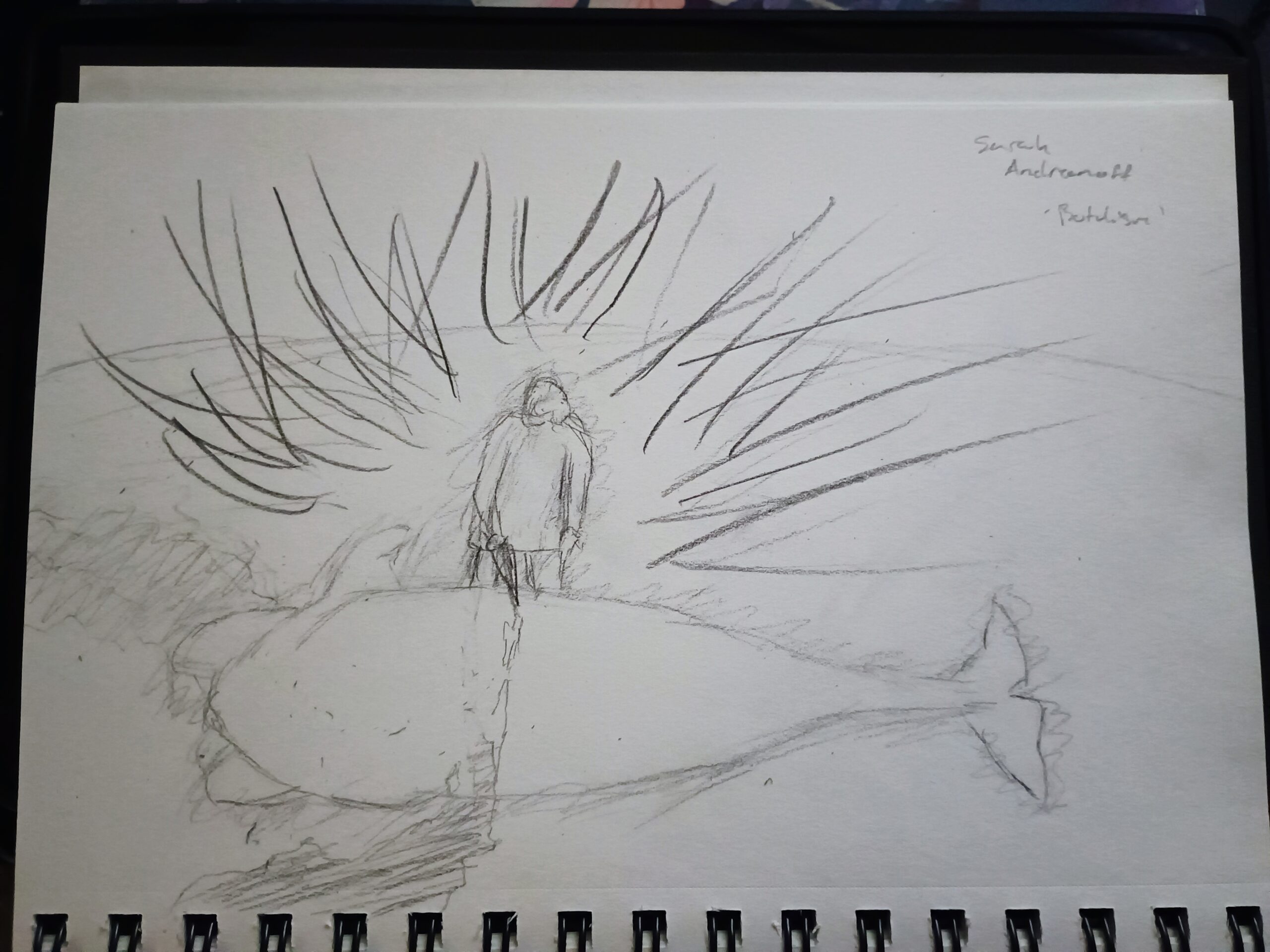
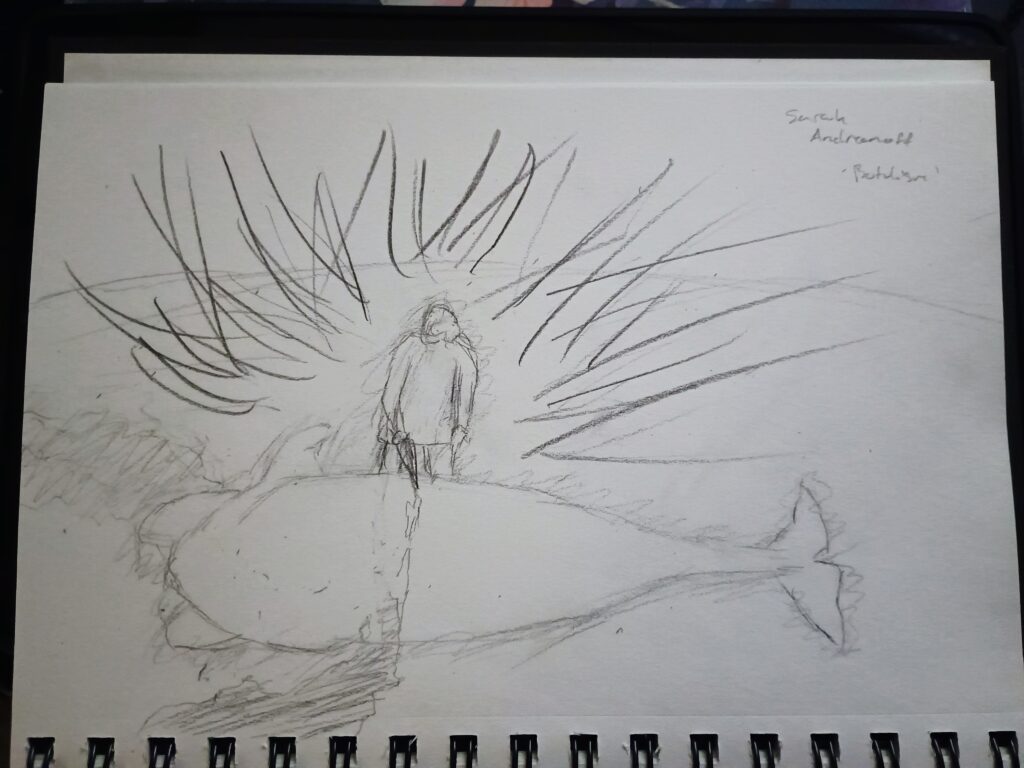
One particular case in Alaska was the 2002 type E botulism outbreak due to the consumption of a beached beluga whale (J. Mclaughlin et al. 2004). Two Yup’ik people found the corpse of the whale and collected meat from the tail fluke, stored it in plastic bags, and distributed it among friends and family. This ended up causing an outbreak of botulism, with 8 developing the condition and 5 of which requiring hospitalization. While no one ended up dying, it’s a good example for how easily botulism can spread throughout a community. Traditional foods are important to communities like these, but education on the dangers that improperly prepared and stored food can cause is very important.
References:
Fagan, R. P., McLaughlin, J. B., Castrodale, L. J., Gessner, B. D., Jenkerson, S. A., Funk, E. A., Hennessy, T. W., Middaugh, J. P., & Butler, J. C. (2011). Endemic Foodborne Botulism among Alaska Native Persons–Alaska, 1947-2007. Clinical Infectious Diseases, 52(5), 585–592. https://doi.org/10.1093/cid/ciq240
McLaughlin, J. B., Sobel, J., Lynn, T., Funk, E., & Middaugh, J. P. (2004). Botulism Type E Outbreak Associated with Eating a Beached Whale, Alaska. Emerging Infectious Diseases, 10(9), 1685–1687. https://doi.org/10.3201/eid1009.040131
Monash, A., Tam, J., Rosen, O., & Soreq, H. (2025). Botulinum Neurotoxins: History, Mechanism, and Applications. A Narrative Review. Journal of Neurochemistry, 169(8). https://doi.org/10.1111/jnc.70187