This project focuses on the physiology behind substance abuse disorder. While it is still a common misconception that substance abuse is a mindset. This project highlights the anatomical and chemical breakdown of this disorder.
This disorder affects four systems in the body. The first is the endocrine system. The neuroendocrine system can suffer a reduction in vital hormones such as testosterone and estrogen. The ingestion of this narcotic can cause issues with feedback in the brain and dysfunction in the wiring. It can cause impaired insulin sensitivity and elevated cortisol.
The next systems are the cardio vascular and immune system. The substance abuse can cause a decline in red blood cells, white blood cells and degrade these life sustaining cells. When platelets, plasma, and both red and white blood cells are unable to complete their task, infections and weaker immune systems can occur. In addition this substance can cause chronic malnutrition and impair phagocytic function as well as the function of antibodies.
Substance abuse can cause issues in the renal system. This can lead to loss of fluid and insufficient removal of waste. This can lead to toxic build up in the body as well as insufficient nutrient delivery. Individual with a substance abuse disorder may find themselves chronically dehydrated from vomiting diarrhea and loss of electrolytes.
Finally, the digestive system is impacted from the ingestion of narcotics. Ulcers can from from excess acidity and damage to GI mucus. Iron levels may drop from damage to the intestines and the dehydration can lead to constipation which then leads to slow mobility. Fat can begin to be digested less and less as the digestive enzyme production is disrupted.
Lillian Kenna
This STEAM project highlights the effects of substance use disorder (SUDS) on the body and the physiological effects of addiction. In this case, the Jem’Hadar have become dependent on the addictive narcotic “Ketracel-White” and during physiological breakdown, a genetically engineered soldier suffering from SUDS affects their bodily systems such as digestion, hormones, cardiovascular function, renal balance, and immunity. Recovery from SUDS includes targeted medical nutrition therapy for electrolyte and vitamin replacement, and for hormone balance to repair systemic damage.
In digestion, ulcers and nausea can occur from an increase of gastric acidity and mucosa damage. Fatty liver can form from impairment of nutrient storage and metabolism, hindered bile production, low iron, zinc, vitamin B levels, dehydration and constipation can occur, along with slowed motility. Renal balance is affected by an increase of fluid loss and chronic dehydration from vomiting, diarrhea, and electrolyte loss.
Impairment of insulin sensitivity, elevated cortisol, a reduction in testosterone and estrogen levels, and dysfunctional feedback loops occur in the endocrine system, and the degradation of WBCs, RBCs, platelets, and plasma occur in the cardiovascular and immune system. SUDS can also cause chronic malnutrition and low-grade chronic inflammation as well as impaired phagocytic function and antibody response.
 Posted by
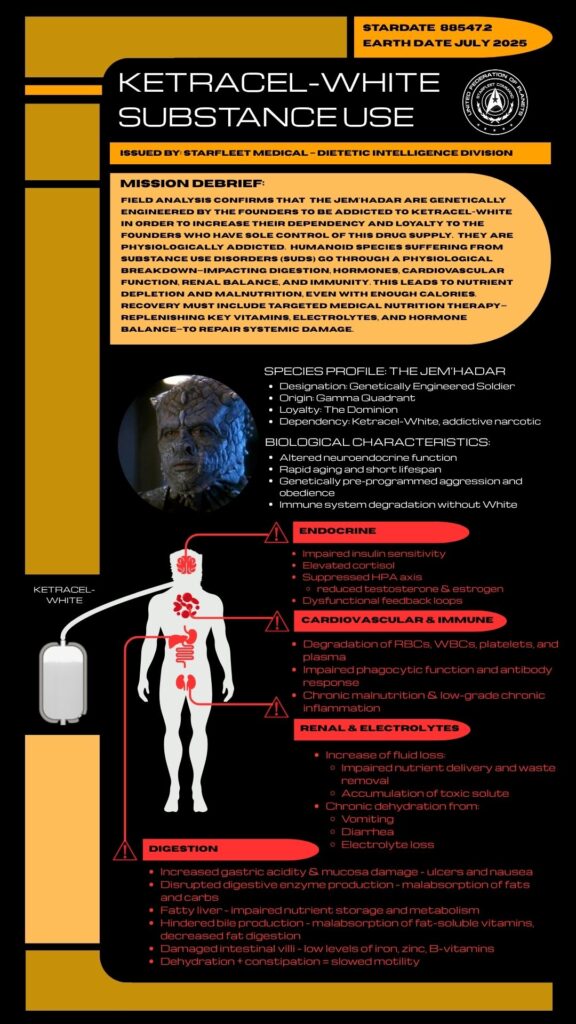

This project focuses on the physiology behind substance abuse disorder. While it is still a common misconception that substance abuse is a mindset. This project highlights the anatomical and chemical breakdown of this disorder.
This disorder affects four systems in the body. The first is the endocrine system. The neuroendocrine system can suffer a reduction in vital hormones such as testosterone and estrogen. The ingestion of this narcotic can cause issues with feedback in the brain and dysfunction in the wiring. It can cause impaired insulin sensitivity and elevated cortisol.
The next systems are the cardio vascular and immune system. The substance abuse can cause a decline in red blood cells, white blood cells and degrade these life sustaining cells. When platelets, plasma, and both red and white blood cells are unable to complete their task, infections and weaker immune systems can occur. In addition this substance can cause chronic malnutrition and impair phagocytic function as well as the function of antibodies.
Substance abuse can cause issues in the renal system. This can lead to loss of fluid and insufficient removal of waste. This can lead to toxic build up in the body as well as insufficient nutrient delivery. Individual with a substance abuse disorder may find themselves chronically dehydrated from vomiting diarrhea and loss of electrolytes.
Finally, the digestive system is impacted from the ingestion of narcotics. Ulcers can from from excess acidity and damage to GI mucus. Iron levels may drop from damage to the intestines and the dehydration can lead to constipation which then leads to slow mobility. Fat can begin to be digested less and less as the digestive enzyme production is disrupted.
This STEAM project highlights the effects of substance use disorder (SUDS) on the body and the physiological effects of addiction. In this case, the Jem’Hadar have become dependent on the addictive narcotic “Ketracel-White” and during physiological breakdown, a genetically engineered soldier suffering from SUDS affects their bodily systems such as digestion, hormones, cardiovascular function, renal balance, and immunity. Recovery from SUDS includes targeted medical nutrition therapy for electrolyte and vitamin replacement, and for hormone balance to repair systemic damage.
In digestion, ulcers and nausea can occur from an increase of gastric acidity and mucosa damage. Fatty liver can form from impairment of nutrient storage and metabolism, hindered bile production, low iron, zinc, vitamin B levels, dehydration and constipation can occur, along with slowed motility. Renal balance is affected by an increase of fluid loss and chronic dehydration from vomiting, diarrhea, and electrolyte loss.
Impairment of insulin sensitivity, elevated cortisol, a reduction in testosterone and estrogen levels, and dysfunctional feedback loops occur in the endocrine system, and the degradation of WBCs, RBCs, platelets, and plasma occur in the cardiovascular and immune system. SUDS can also cause chronic malnutrition and low-grade chronic inflammation as well as impaired phagocytic function and antibody response.