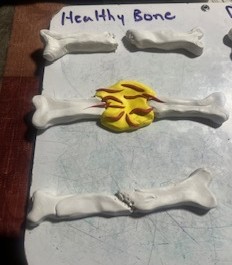
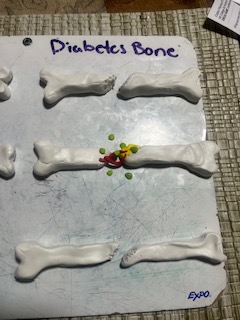
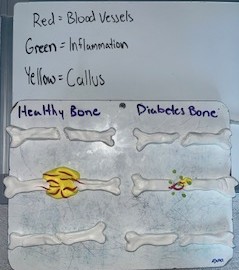
Diabetes mellitus is a chronic metabolic disorder characterized by elevated blood glucose levels resulting from impaired insulin production or utilization. Beyond its well-known systemic complications, diabetes significantly affects skeletal integrity and bone healing. Individuals with diabetes demonstrate an increased risk of fractures and experience delays in bone repair compared to non-diabetic individuals. This paper examines how diabetes disrupts normal fracture healing and slows bone remodeling. In both type 1 and type 2 diabetes, reduced insulin availability and chronic inflammation contribute to elevated osteoclast activity and diminished osteoblast formation, impairing the balance between bone resorption and formation. Additionally, the accumulation of advanced glycation end products (AGEs) weakens the bone matrix by damaging collagen structure and compromising microarchitecture, further reducing bone strength and regenerative capacity. Insulin deficiency also leads to decreased IGF-1 levels, limiting new bone formation during the remodeling phase. As a result, each stage of the fracture-healing process is negatively impacted, leading to prolonged healing times. Evidence shows that patients with diabetes, particularly type 1, often exhibit reduced bone mineral density, which further contributes to delayed recovery. Overall, diabetes mellitus markedly impairs bone healing by altering cellular activity, degrading bone quality, and disrupting key growth factors, ultimately slowing the repair of fractured bone.
 Posted by

Diabetes mellitus is a chronic metabolic disorder characterized by elevated blood glucose levels resulting from impaired insulin production or utilization. Beyond its well-known systemic complications, diabetes significantly affects skeletal integrity and bone healing. Individuals with diabetes demonstrate an increased risk of fractures and experience delays in bone repair compared to non-diabetic individuals. This paper examines how diabetes disrupts normal fracture healing and slows bone remodeling. In both type 1 and type 2 diabetes, reduced insulin availability and chronic inflammation contribute to elevated osteoclast activity and diminished osteoblast formation, impairing the balance between bone resorption and formation. Additionally, the accumulation of advanced glycation end products (AGEs) weakens the bone matrix by damaging collagen structure and compromising microarchitecture, further reducing bone strength and regenerative capacity. Insulin deficiency also leads to decreased IGF-1 levels, limiting new bone formation during the remodeling phase. As a result, each stage of the fracture-healing process is negatively impacted, leading to prolonged healing times. Evidence shows that patients with diabetes, particularly type 1, often exhibit reduced bone mineral density, which further contributes to delayed recovery. Overall, diabetes mellitus markedly impairs bone healing by altering cellular activity, degrading bone quality, and disrupting key growth factors, ultimately slowing the repair of fractured bone.