Lucas’s steam project was video based and shared how ATP, ADP and creatine function during anaerobic exercise and how these molecules impact muscle performance during short bursts of activity. He started by talking about how creatine is used as an energetic molecule stored in our muscles. He explains that when ATP uses energy it loses a phosphate group and becomes ADP which can no longer give us energy. Lucas explained that creatine is linked to a phosphorylation group in the muscle which plays a role in ATP regeneration. To help us understand this process he shows us how creatine works as an energy molecule by doing a demonstration involving an empty bucket, labeled “energy consumption”, a bottle full of water labeled “ATP” and an empty area on the table labeled “creatine storage”. During the demonstration the ATP bottle releases its water into the empty bucket of energy consumption during exercise to represent the release of energy. Along with the water a bottle cap is also released into the energy consumption bucket to represent a phosphagen. Because of the loss of a phosphagen the ATP now becomes ADP. The creatine in our muscles sees this and donates a phosphagen (or a bottle cap) from the creatine storage to the ADP so it can regenerate and once again become ATP. Lucas explains that creatine is used in all anaerobic exercises and is used as a supplement for athletes when they want to extend the duration of ATP regeneration. Overall Lucas’s project was informative and creative, the demonstration with the water was a nice touch and I did laugh at the backflip fail.
 Posted by
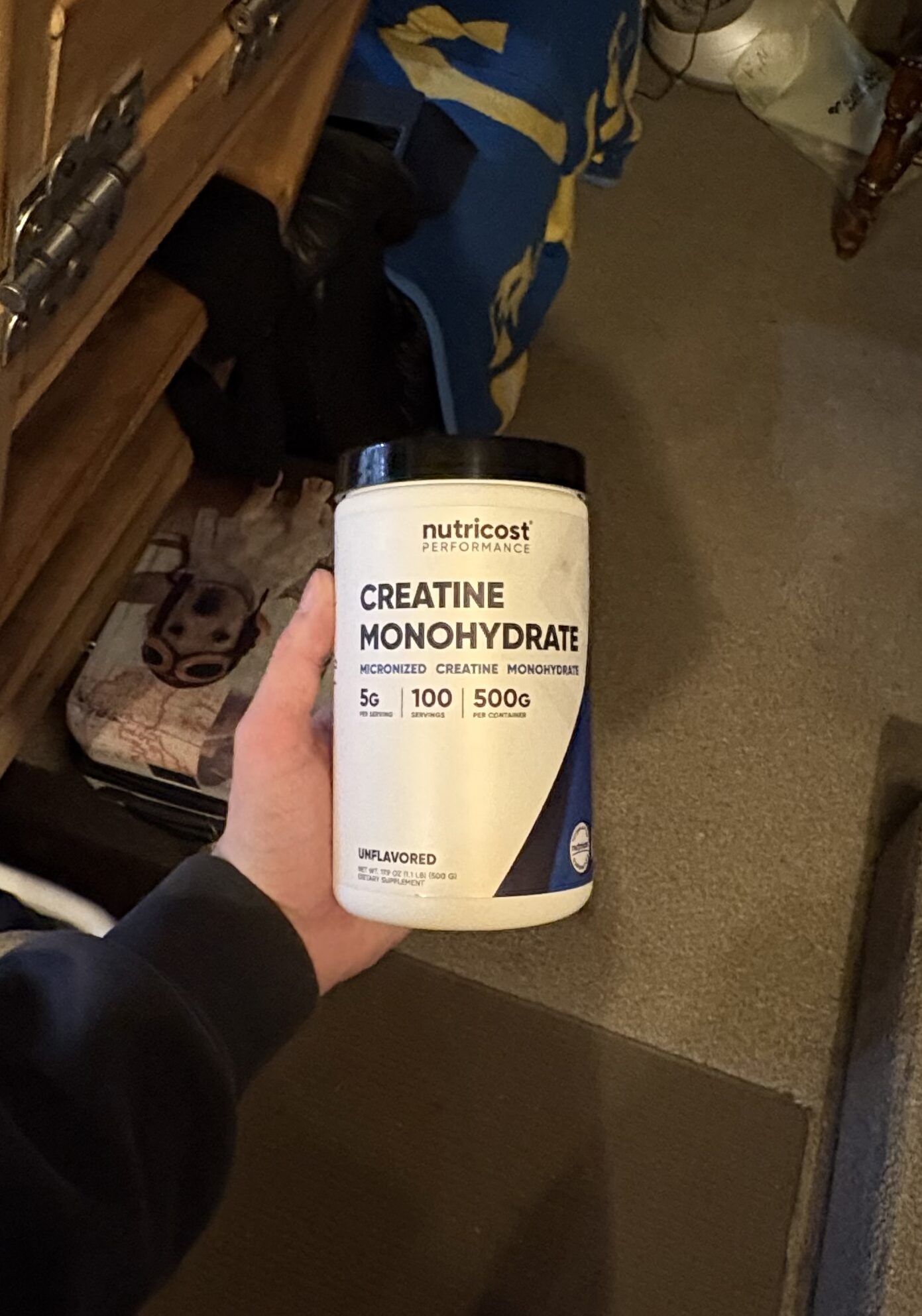

Lucas’s steam project was video based and shared how ATP, ADP and creatine function during anaerobic exercise and how these molecules impact muscle performance during short bursts of activity. He started by talking about how creatine is used as an energetic molecule stored in our muscles. He explains that when ATP uses energy it loses a phosphate group and becomes ADP which can no longer give us energy. Lucas explained that creatine is linked to a phosphorylation group in the muscle which plays a role in ATP regeneration. To help us understand this process he shows us how creatine works as an energy molecule by doing a demonstration involving an empty bucket, labeled “energy consumption”, a bottle full of water labeled “ATP” and an empty area on the table labeled “creatine storage”. During the demonstration the ATP bottle releases its water into the empty bucket of energy consumption during exercise to represent the release of energy. Along with the water a bottle cap is also released into the energy consumption bucket to represent a phosphagen. Because of the loss of a phosphagen the ATP now becomes ADP. The creatine in our muscles sees this and donates a phosphagen (or a bottle cap) from the creatine storage to the ADP so it can regenerate and once again become ATP. Lucas explains that creatine is used in all anaerobic exercises and is used as a supplement for athletes when they want to extend the duration of ATP regeneration. Overall Lucas’s project was informative and creative, the demonstration with the water was a nice touch and I did laugh at the backflip fail.