 Posted by
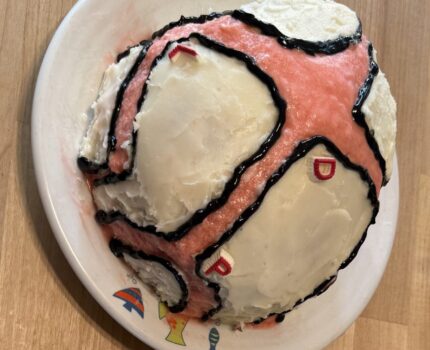
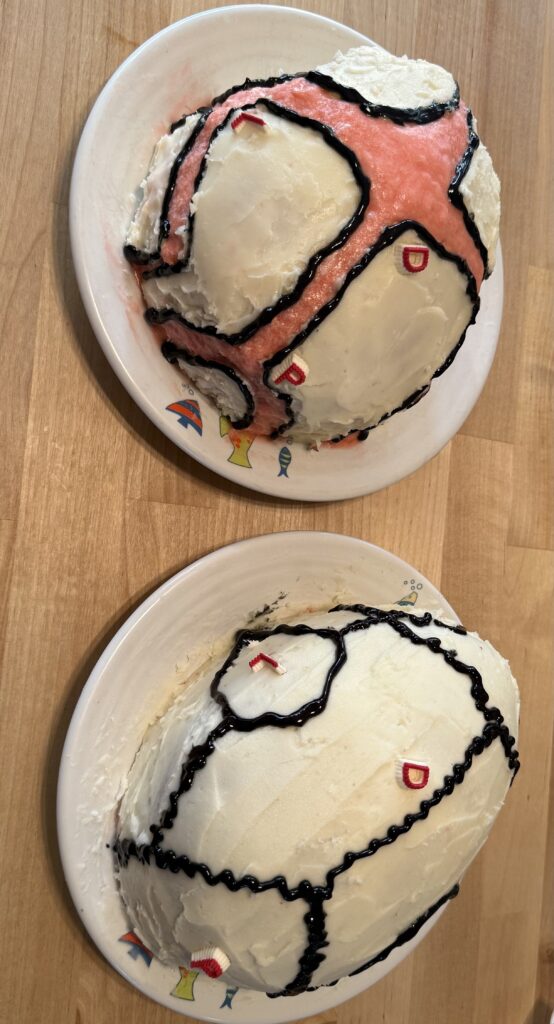
I created two cakes, one representing an adults skull, and the other representing a new borns skull. The letters are the to help identify the views of the skull (lateral, posterior, dorsal).
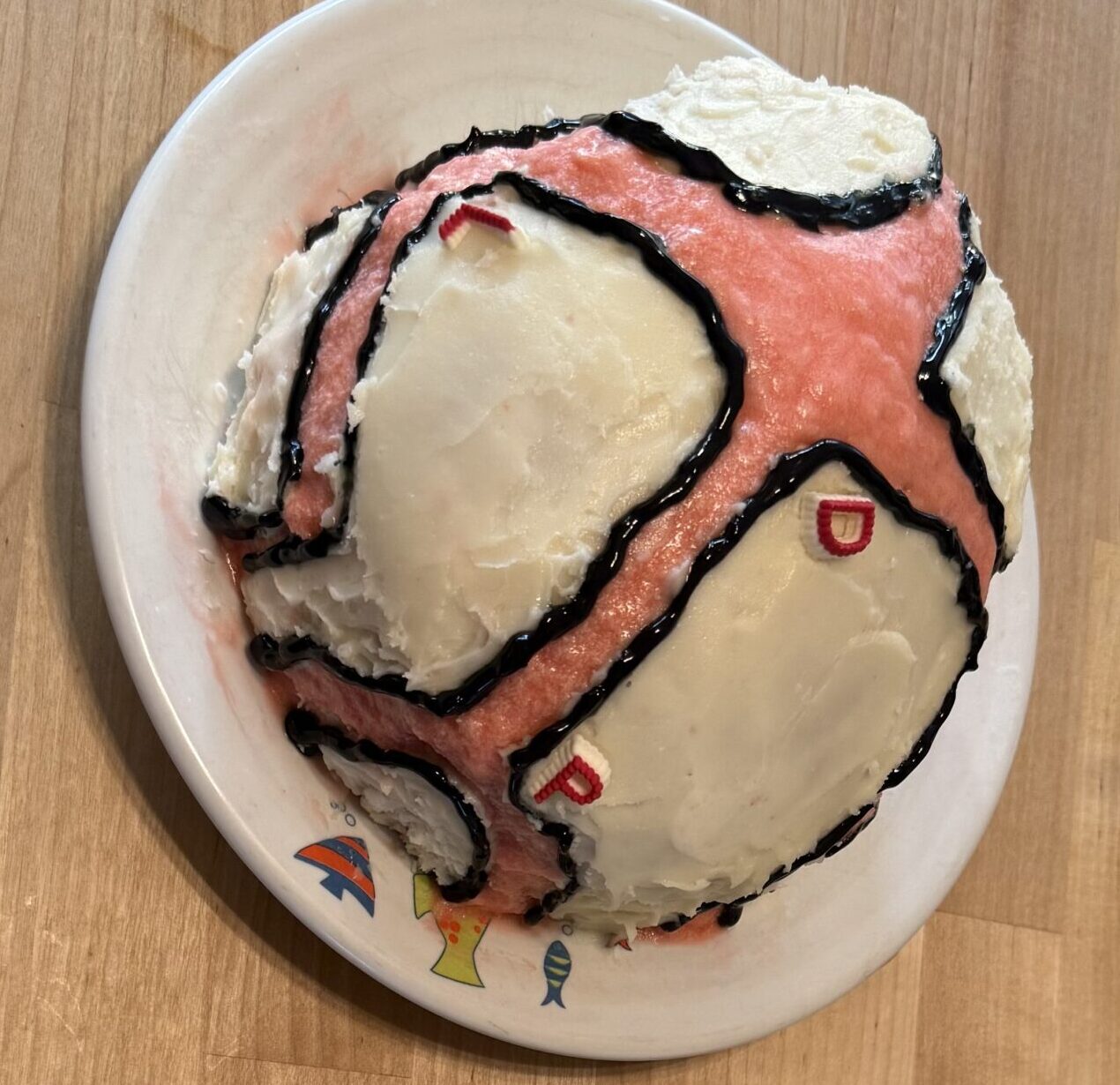
I created two cakes, one representing an adults skull, and the other representing a new borns skull. The letters are the to help identify the views of the skull (lateral, posterior, dorsal).
In “Difference in Human and Newborns’ Skull,” Maddy explores how adult and infant skulls differ by using a practical STEAM activity; instead of models, they bake cakes shaped like both types. These edible versions demonstrate shifts in form and function from infancy to adulthood—using simple materials to illustrate complex changes. A baby’s skull appears flexible, made up of separate plates connected by soft spots that allow the brain to expand and facilitate delivery at birth. Conversely, an adult’s skull looks solid and tightly fused, built more for protecting tissue than allowing growth.
This method simplifies complex anatomy into clear visuals using basic images. It enlarges certain parts so that main contrasts become prominent – like a baby’s large head compared to its small face. In contrast, the adult skull appears solid with sharp edges and a sturdy structure. By displaying both side by side, the work explains how young skulls must bend during birth. As people grow, their bones fuse; this transition provides stability later on.
The work connects biology with creative expression to show how skeletons develop. Using common materials, it illustrates science ideas—drawing attention while helping people understand body structure and growth clearly. The method makes learning memorable without feeling stiff or distant.