Asthma is a chronic respiratory disease where airways become inflamed and narrow. Symptoms include wheezing, coughing, and difficulty breathing. Although this is a genetic disease, various environmental factors have been shown to contribute to its development. Because infants’ immune systems are unable to defend against things like tobacco smoke and allergens, being exposed to air pollutants at a young age can increase the risk for asthma. Doctors assess medical history, and perform a spirometry test to diagnose asthma. Hyperresponsiveness to things like pollen, dust, smoke and animal dander cause inflammation in the lungs. Exposure tests to certain allergens can determine sensitivities and triggers for patients with asthma. The immune system creates Immunoglobulin E (IgE) antibodies and mast cells become activated. Chemicals released by the mast cells cause the airways to contract and cause difficulty breathing. Asthma can be managed by using an inhaler, avoiding triggers, and beta antagonists that open airways by relaxing the smooth muscle or decrease the immune response in the airway. The clay diagram shows a healthy open airway, and a blocked airway with asthma.
 Posted by
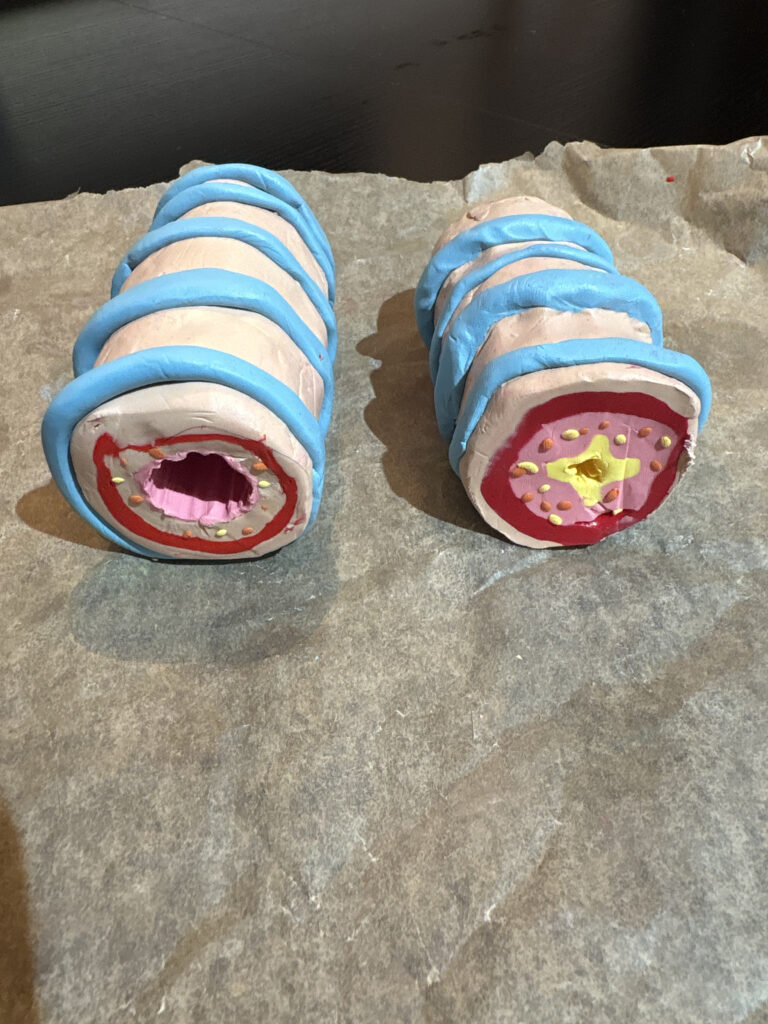
Asthma is a chronic respiratory disease where airways become inflamed and narrow. Symptoms include wheezing, coughing, and difficulty breathing. Although this is a genetic disease, various environmental factors have been shown to contribute to its development. Because infants’ immune systems are unable to defend against things like tobacco smoke and allergens, being exposed to air pollutants at a young age can increase the risk for asthma. Doctors assess medical history, and perform a spirometry test to diagnose asthma. Hyperresponsiveness to things like pollen, dust, smoke and animal dander cause inflammation in the lungs. Exposure tests to certain allergens can determine sensitivities and triggers for patients with asthma. The immune system creates Immunoglobulin E (IgE) antibodies and mast cells become activated. Chemicals released by the mast cells cause the airways to contract and cause difficulty breathing. Asthma can be managed by using an inhaler, avoiding triggers, and beta antagonists that open airways by relaxing the smooth muscle or decrease the immune response in the airway. The clay diagram shows a healthy open airway, and a blocked airway with asthma.