
 Posted by
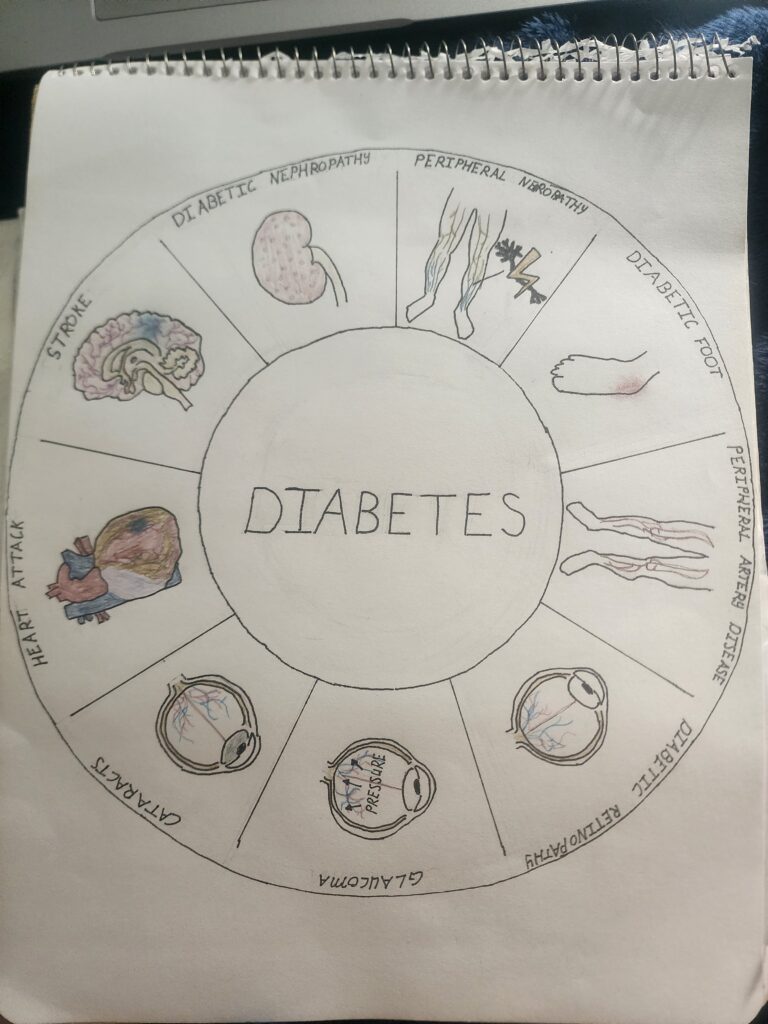
Target cells are managed by hormones; and hormones are regulated through feedback systems in the body like insulin. Peptide hormones, such as insulin, are secreted from endocrine glands and transported in the blood to distant target tissues. These cells have receptors for the hormone being secreted, which when reacts with the receptor cell induces a set of steps inside the cell and triggers a particular physiological response. Insulin, for instance, attaches to insulin receptors on muscle and fat cells that initiate transport of glucose from blood into those cell constituents. Feedback loops in the body maintain hormones at certain levels so signals between cells can occur and biological function be maintained. Type of feedback on hormonal regulation. It works like a thermostat when the impacts of a hormone attained to an absolute; this activates also another mechanism to cease further release of the hormone. For example, when blood glucose is increased, insulin is released by the pancreas to lower the blood glucose. The pain specs insulin secretion as the blood glucose comes back to baseline by not allowing it to be dropped too low. Positive feedback occurs less frequently in hormone regulation, but it amplifies the initial stimulus(Charles et al, 2024). For example, oxytocin release during labour stimulates uterine contractions that leads to more oxytocin being released and stronger contractions until the baby is born. More specifically, insulin is released by the pancreas and its beta cells in response to high blood glucose concentrations. Once released, insulin acts on target cells to stimulate glucose uptake and storage which then results in reduced blood glucose levels. One of the simplest examples of crappy feedback loops, in this case a negative one where the product suppresses its own release. For example, in type 1 diabetes, this negative feedback loop is either severely handicapped or doesn’t happen at all due to the pancreas unable to produce insulin in response to high blood glucose(Alfadhly et al 2024). As a result, blood glucose levels rise drastically and remain high; managing the condition then necessitates active insulin supplementation from outside the body(Shen et al, 2025).
Alfadhly AF, Mohammed A, Basim Almalki, Saad Alfaez, Mubarak A, Alotaibi E, Ghaida Alomran, Jameela Almathami, Njood Bazhair, Nourah AlShamrani, et al. 2024. Moderating effect for illness uncertainty on the relationship of depressive and anxiety symptoms among patients with type 1 diabetes in Taif region, Saudi Arabia. Journal of Family Medicine and Primary Care. 13(9):3576–3589. doi:https://doi.org/10.4103/jfmpc.jfmpc_1661_23.
Charles, et al. “Subacute Cadmium Exposure Changes Different Metabolic Functions, Leading to Type 1 and 2 Diabetes Mellitus Features in Female Rats.” Environmental Toxicology, vol. 39, no. 9, 7 May 2024, pp. 4278–4297, https://doi.org/10.1002/tox.24306. Accessed 1 Sept. 2024.
Shen L, Meng L, Ji H. 2025. Bidirectional Causal Associations Between Endogenous/Exogenous Antioxidant Levels and Risks of Type 1 and Type 2 Diabetes Mellitus and Three Complications. Food Science & Nutrition. 13(7). doi:https://doi.org/10.1002/fsn3.70671.