
 Posted by



Osteoporosis is a systemic skeletal disorder characterized by compromised bone strength and increased fracture risk. While commonly associated with postmenopausal women due to estrogen decline, a significant number of cases occur in men, premenopausal women, and younger individuals through alternative ways. By exploring these overlooked mechanisms, we can develop more prevention and treatment strategies for at-risk populations.
The development of osteoporosis in non-menopausal individuals frequently stems from chronic nutritional deficiencies that impair bone metabolism. Calcium, as the primary mineral component of bone, requires consistent intake to maintain skeletal integrity. Adults typically need 1000-1200 mg daily, but when dietary calcium is insufficient, the body compensates by resorbing bone tissue to maintain serum calcium levels, leading to gradual bone density depletion. (Osteoporosis: An Update for Primary Care Providers, 2024). Equally crucial is vitamin D, which regulates calcium absorption in the gut.
Beyond dietary factors, gastrointestinal diseases constitute another important pathway to bone loss. Malabsorptive conditions like celiac disease and inflammatory bowel disease create nutritional deficiencies even when dietary intake appears adequate. (Pickering et al., 2025). These patients frequently present with osteoporosis at surprisingly young ages, sometimes in their 30s or 40s, demonstrating how profoundly gut health impacts skeletal integrity. The medical community increasingly recognizes that bone density assessment should be routine in these patient populations.
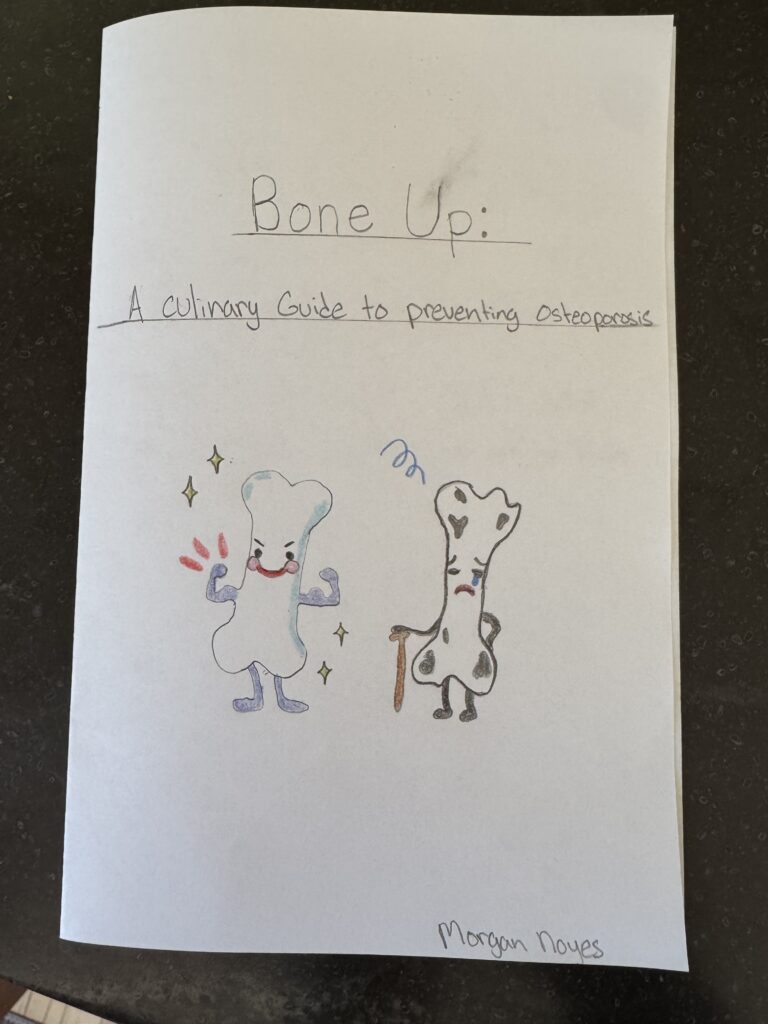
A comprehensive bone-protective diet emphasizes several key components. Calcium-rich foods including dairy products, leafy greens, and fortified alternatives should form the foundation of intake. Vitamin D sources such as fatty fish, egg yolks, and judicious sun exposure are equally important, with supplementation recommended when natural sources prove insufficient. Magnesium obtained from nuts, seeds, and whole grains supports the enzymatic processes underlying bone formation, while vitamin K2 from fermented foods and certain animal products ensures proper calcium utilization. (Williams, 1999). So for this project I created a recipe book with recipes that are high in nutrients dedicated for bone health.
The Mediterranean diet has shown particular promise in maintaining bone density, likely due to its synergistic combination of beneficial components. Its emphasis on whole foods, high-quality olive oil, moderate protein intake, and abundant phytochemicals creates an ideal environment for bone health. For high-risk individuals or those with demonstrated deficiencies, strategic supplementation may be necessary to achieve optimal nutrient levels. Regular monitoring of bone density markers can help tailor interventions to individual needs and track progress over time.
While estrogen deficiency remains an important and well-studied risk factor for osteoporosis, the non-menopausal pathways deserve equal attention in both clinical practice and public health initiatives. Nutritional deficiencies, chronic diseases, and lifestyle factors can all lead to significant bone loss. By broadening our understanding beyond the menopausal model, healthcare providers can better identify and protect at-risk individuals before irreversible bone loss occurs.
References
Osteoporosis: An Update for Primary Care Providers. (2024). Primary Care Reports, 30(12), 1–24.
Pickering, M.-E., Souberbielle, J.-C., Boutten, A., Breuil, V., Briot, K., Chapurlat, R., Fardellone, P., Javier, R.-M., Koumakis, E., & Cortet, B. (2025). Daily or intermittent vitamin D supplementation in patients with or at risk of osteoporosis: Position statement from the GRIO. Joint Bone Spine, 92(3), 105858. https://doi.org/10.1016/j.jbspin.2025.105858
Williams, S. (1999). You Can Prevent Osteoporosis. Newsweek, 133(9), 61. Walton, C. (2017). Mediterranean Diet: Perspectives, Food Components and Health Effects. Nova Science Publishers, Inc.
When most people think of osteoporosis, they picture older women after menopause—but that’s not the whole story. A lot of people, including men, younger women, and even folks in their 30s or 40s, can develop osteoporosis for reasons that have nothing to do with hormones. This project dives into those lesser-known causes, like chronic nutrient deficiencies and gut disorders that mess with how your body absorbs key minerals. Calcium and vitamin D are huge players in bone health, but so are magnesium and vitamin K2—and when your diet or health conditions get in the way, your bones can pay the price.
Conditions like celiac disease or inflammatory bowel disease can rob the body of nutrients even if you’re eating well, which is why it’s so important to screen for bone loss in people with chronic digestive issues. To help make bone-friendly eating more practical (and delicious), I also created a recipe book filled with meals that support skeletal health. The Mediterranean diet gets a special spotlight here because it’s one of the best eating patterns out there for maintaining strong bones.
At the end of the day, osteoporosis isn’t just a “women after menopause” issue. It’s a health risk that deserves broader attention. By looking beyond the usual causes, we can catch it earlier, treat it smarter, and help more people stay strong, mobile, and healthy long-term.