Mapping Flavor: How Ageusia and Dysgeusia Disrupt Taste Signaling
By Nuala Rego
Summary: William Toliver
Flavor is not a simple result of the tongue, it goes through a series of events in the nervous system to form. Sometimes the body doesn’t understand what it’s tasting which results in some taste disorders. Two of the most popular taste disorders are ageusia – the total loss of taste. There is also dysgeusia – the distortion or taste becoming unpleasant of food.
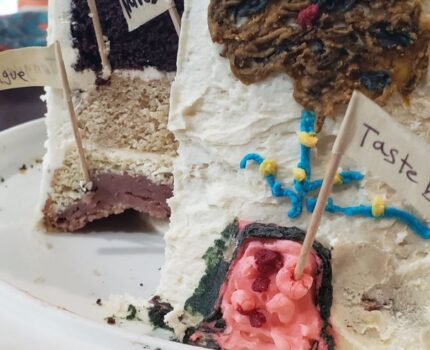
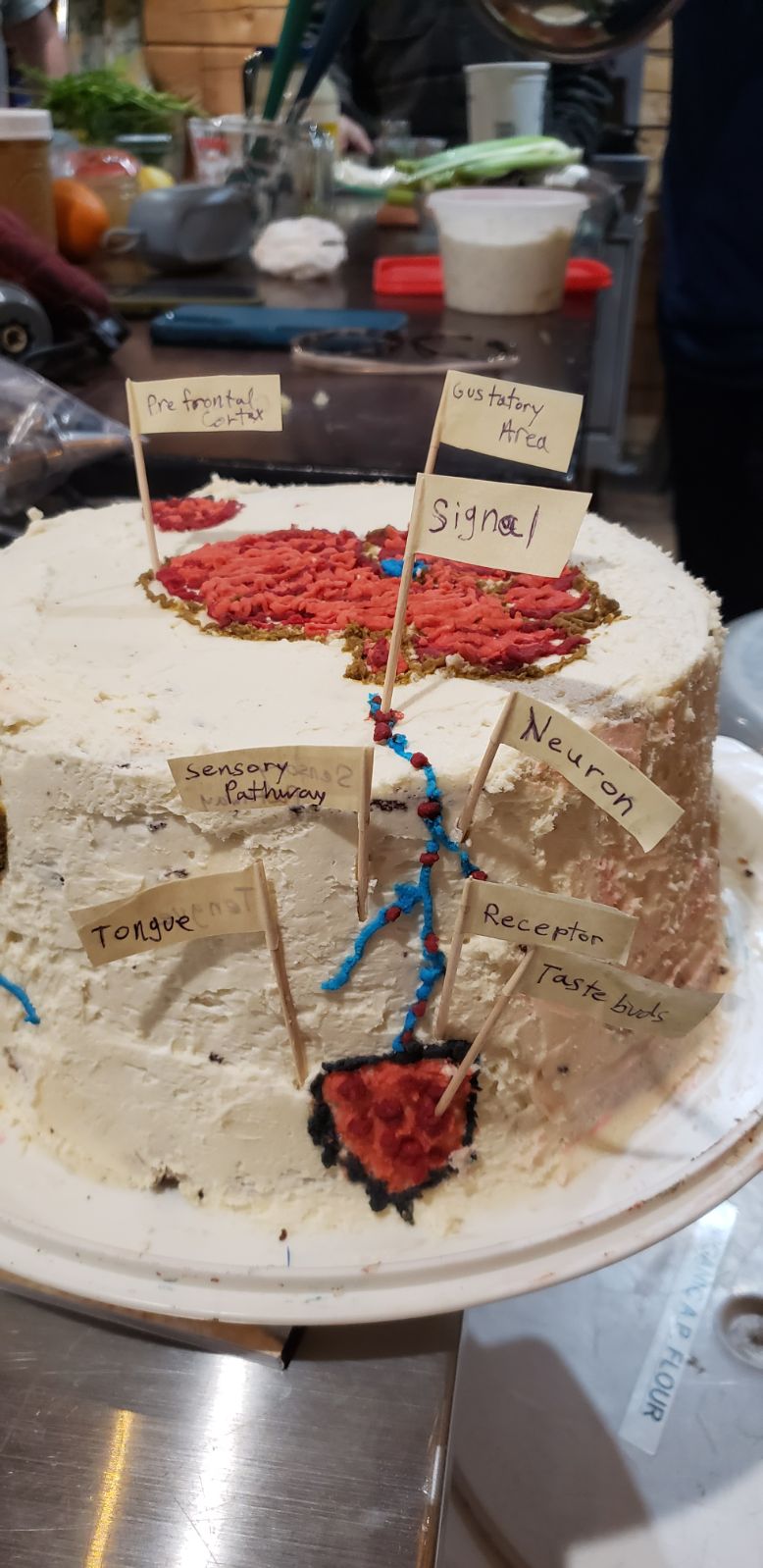
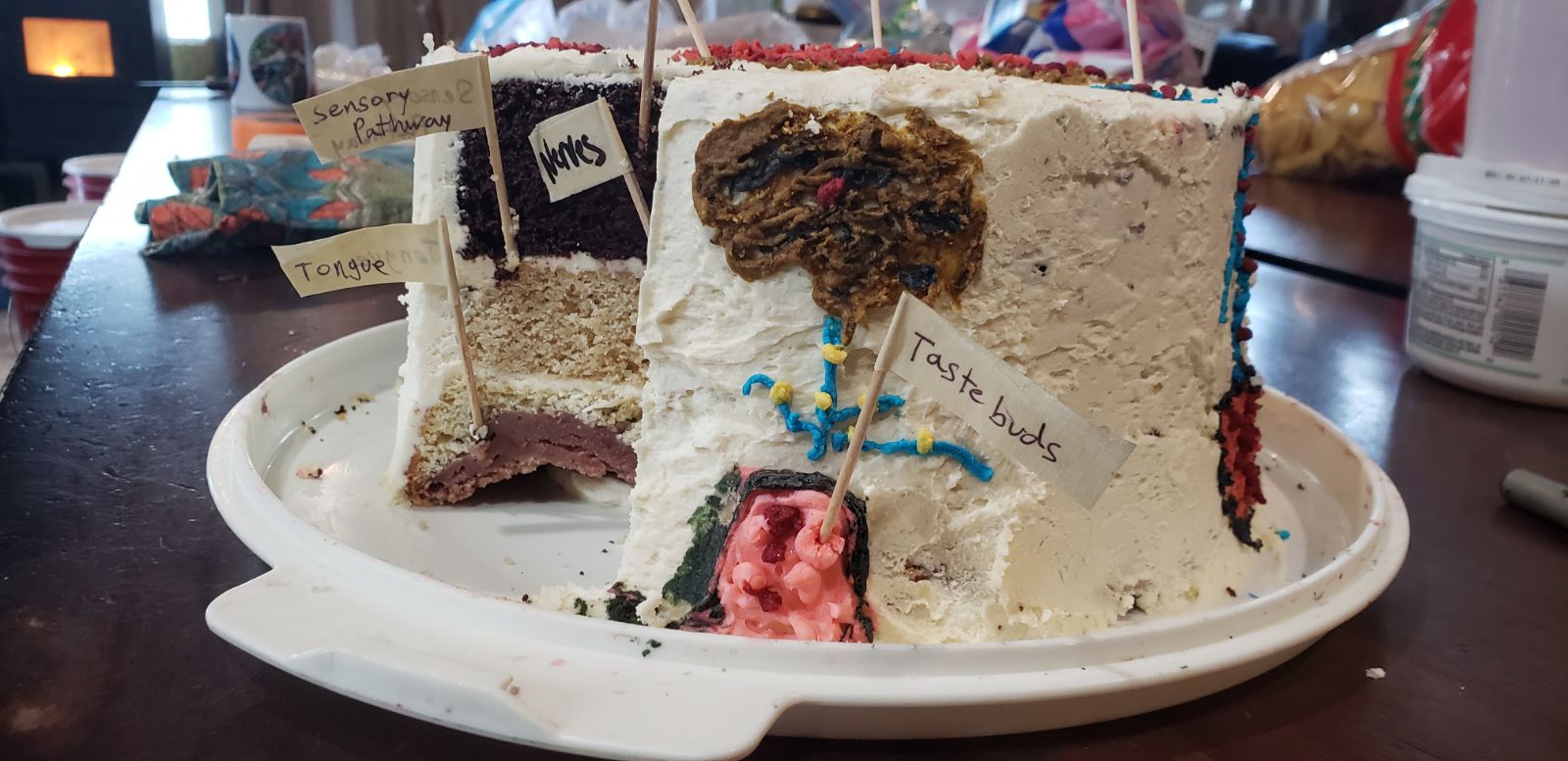
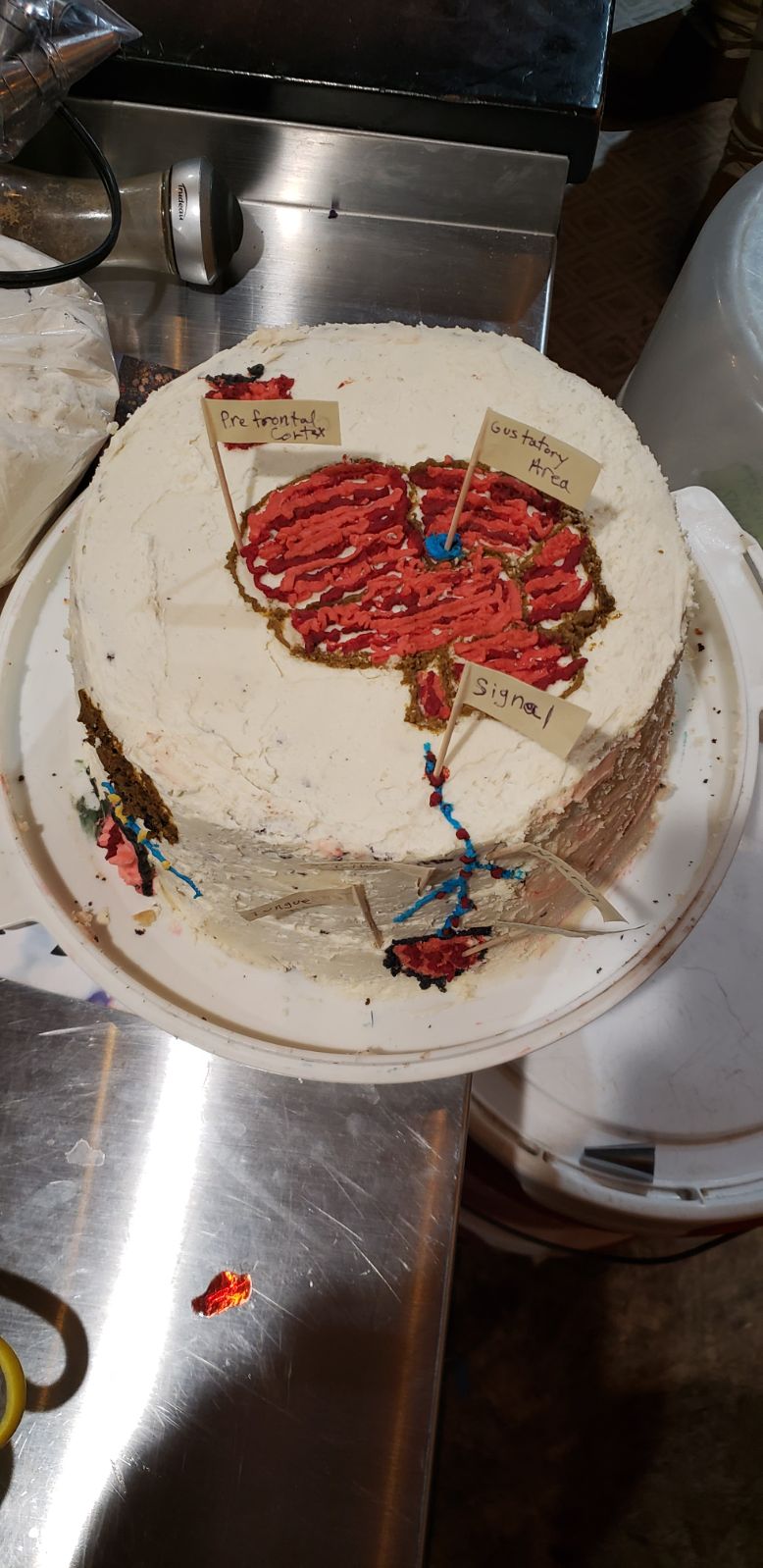
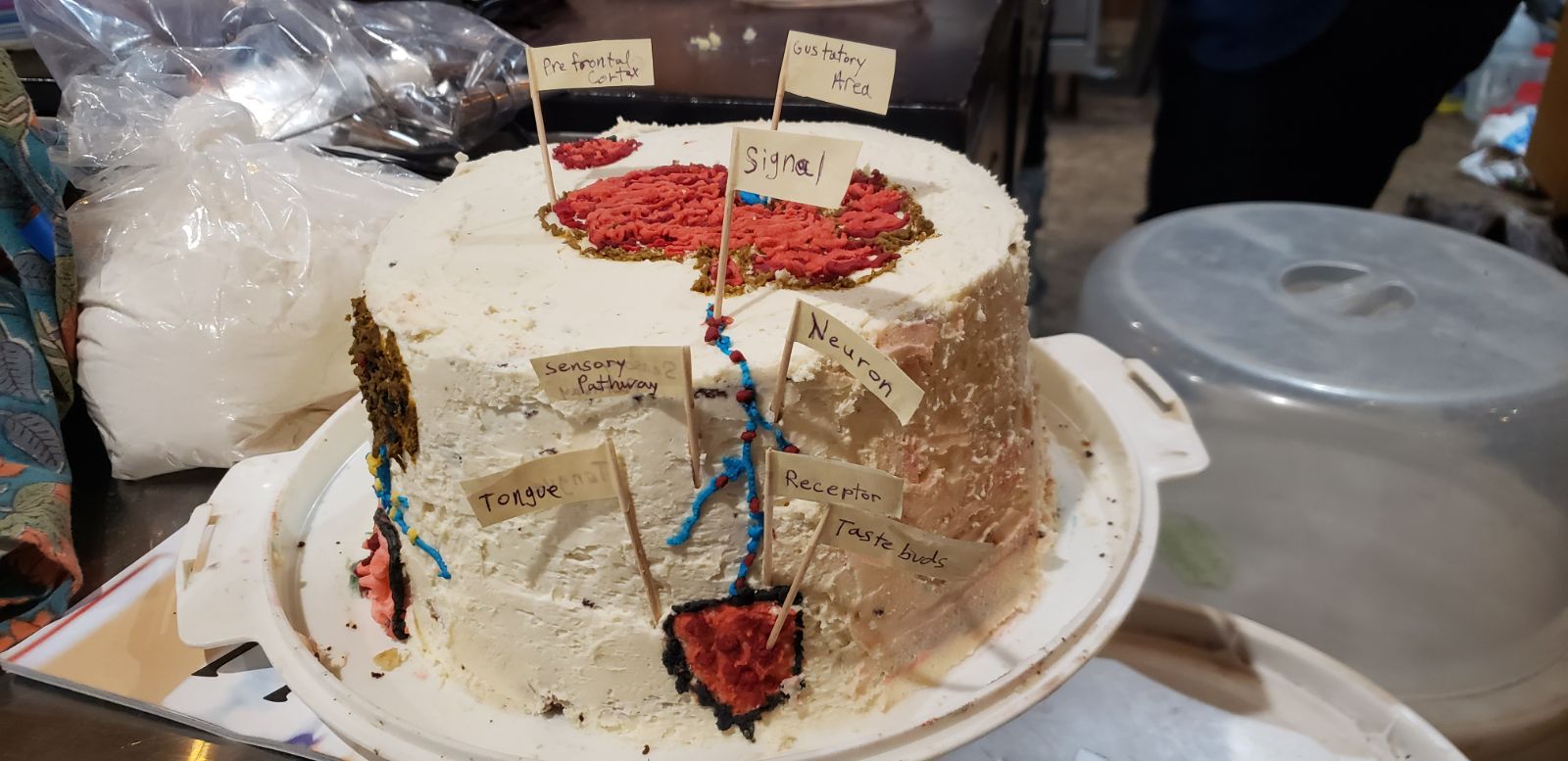
To start off, we have a healthy immune system. Once the receptors on the tongue are activated, ion channels are triggered which then go to G-protein pathways which send an electrical response. Then all those signals are turned into an AP. These flavors then travel along the nervous system to the brainstem and finally to the gustatory cortex where the flavors are understood.
Ageusia happens when the body is harmed in some way, this results in no AP’s being sent. Dysgeusia results in a misfiring of signals leading to things tasting off. When the gustatory method stops working people rely more on smell.
 Posted by

Mapping Flavor: How Ageusia and Dysgeusia Disrupt Taste Signaling
By Nuala Rego
Summary: William Toliver
Flavor is not a simple result of the tongue, it goes through a series of events in the nervous system to form. Sometimes the body doesn’t understand what it’s tasting which results in some taste disorders. Two of the most popular taste disorders are ageusia – the total loss of taste. There is also dysgeusia – the distortion or taste becoming unpleasant of food.
To start off, we have a healthy immune system. Once the receptors on the tongue are activated, ion channels are triggered which then go to G-protein pathways which send an electrical response. Then all those signals are turned into an AP. These flavors then travel along the nervous system to the brainstem and finally to the gustatory cortex where the flavors are understood.
Ageusia happens when the body is harmed in some way, this results in no AP’s being sent. Dysgeusia results in a misfiring of signals leading to things tasting off. When the gustatory method stops working people rely more on smell.