 Posted by

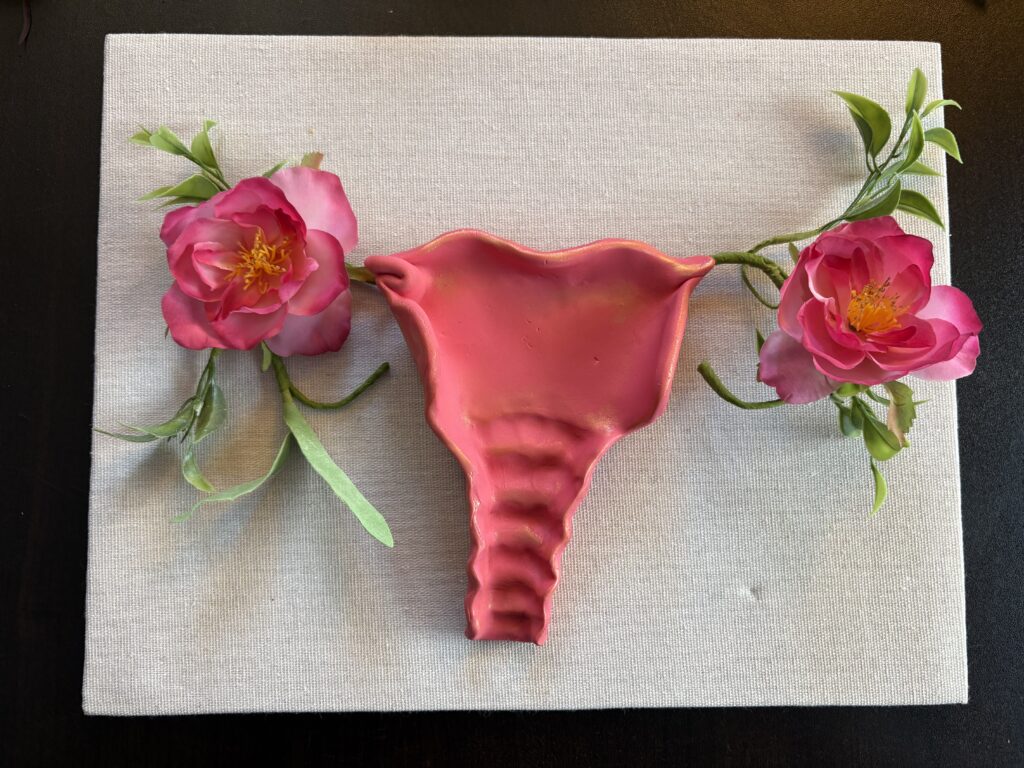
Healthy Uterus
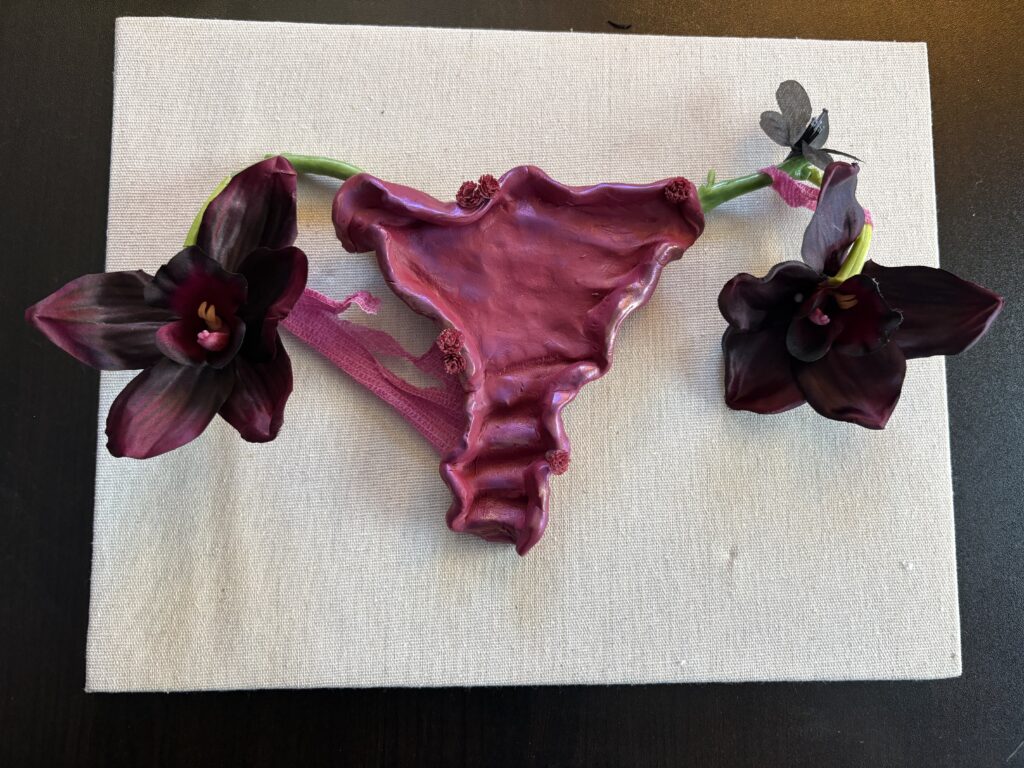
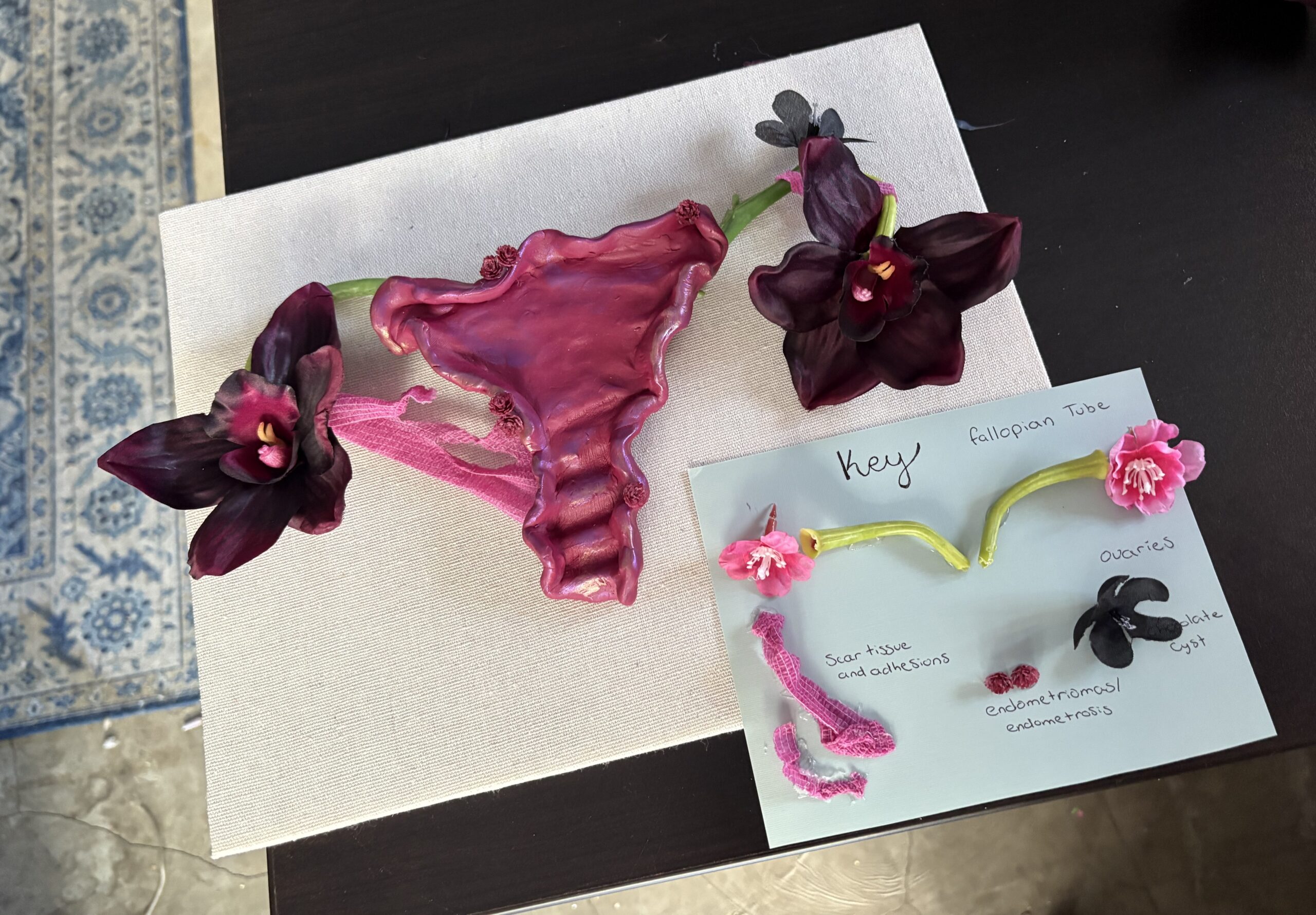
Uterus with endometriosis

My project was inspired by the reproductive system. I wanted to dive deeper to understand the effects of endometriosis in women and how it compares to a healthy uterus. Endometriosis is a condition that is often painful and chronic. Tissue that lines the uterus is known as the endometrium. Tissues similar to this can be misplaced and grow outside of the uterus, often affecting the ovaries, fallopian tubes, and the tissues that line the pelvis. The excess endometriosis tissue acts as it would inside the uterus during each cycle. This means that it can bleed and break down during each cycle, as well as thicken. When the tissue grows in locations it doesn’t belong, it is unable to properly leave the body. This can result in inflammation, pain, and scar tissues. Although the symptoms of endometriosis are different depending on the individual, it typically involves pelvic pain especially during menstruation. Cramping can be much more severe. There can also be pain associated with sexual intercourse, bowel movements, and urination.
When endometriosis affects the ovaries, cysts can develop. These are called endometriomas. Fibrous tissue bands can also form. These are known as adhesions, which can cause the pelvic tissues to become sticky. According to the Nature Reviews Endocrinology article, Endometriosis: Pathogenes and Treatment, “Endometriosis is defined as the presence of endometrial-type mucosa outside the uterine cavity. Endometriosis is estrogen-dependent, manifests during reproductive years and is associated with pain and infertility,” (Vercellini, et al., 2014). This leads us to one of the main complications of endometriosis: infertility. The Mayo Clinic article on endometriosis states that, “Up to half of people with endometriosis have a hard time conceiving,” (Mayo Clinic Staff, 2024). While there is not an exact reason for difficulty conceiving, it can likely be linked to blockage or damage to the egg or sperm. For pregnancy to occur, an egg needs to be released from one of the ovaries. It then needs to travel down the fallopian tube in order to become fertilized by sperm cells. Once the egg is fertilized, the egg attaches to the uterine walls to develop and grow. Endometriosis can ultimately block the passage required to unite the egg and sperm.
To diagnose endometriosis, there are many symptoms that can lead health care professionals to suspect this condition, but the only way to definitively diagnose it is through laparoscopic surgery. The Abstract Invasive and Noninvasive Methods for the Diagnosis of Endometrosis describes this surgery in the journal Clinical Obstetrics and Gynecology. “The gold standard for the diagnosis of endometriosis has been visual inspection by laparoscopy, preferably with histologic confirmation. Because there is no good noninvasive test for endometriosis, there is often a significant delay in diagnosis of this disease. Imaging that confirms an endometriotic cyst or deep infiltrating endometriosis may help guide surgical therapeutic approaches,” (Hsu, et al., 2010).
Misdiagnosis and mistreatment are common with this condition. There is limited knowledge surrounding the topic and treatments have yet to be better understood. There is not a cure for endometriosis currently. Treatment methods such as changes in lifestyle can help relieve symptoms in some individuals. This can include exercise, diet changes, hormone (GnRH) therapy, the hormonal IUD or oral contraceptives, acupuncture, etc.
References
Vercellini, P., Viganò, P., Somigliana, E. et al. Endometriosis: pathogenesis and treatment. Nat Rev Endocrinol 10, 261–275 (2014). https://doi.org/10.1038/nrendo.2013.255
Hsu, A. L., Khachikyan, I., & Stratton, P. (2010). Invasive and non-invasive methods for the diagnosis of endometriosis. Clinical Obstetrics and Gynecology, 53(2), 413–419. http://doi.org/10.1097/GRF.0b013e3181db7ce8
Mayo Clinic Staff. (2024). Endometriosis. Mayo Clinic.https://www.mayoclinic.org/diseases-conditions/endometriosis/symptoms-causes/syc-20354656