 Posted by
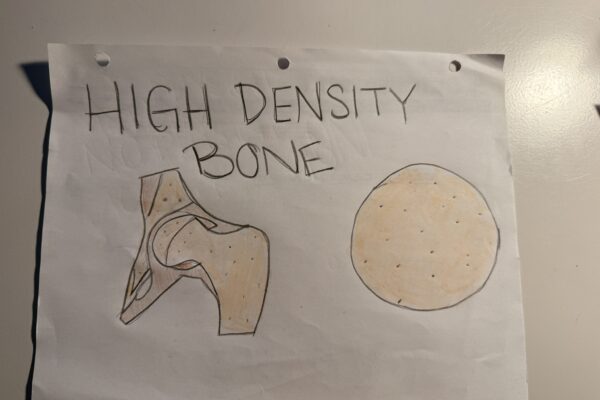
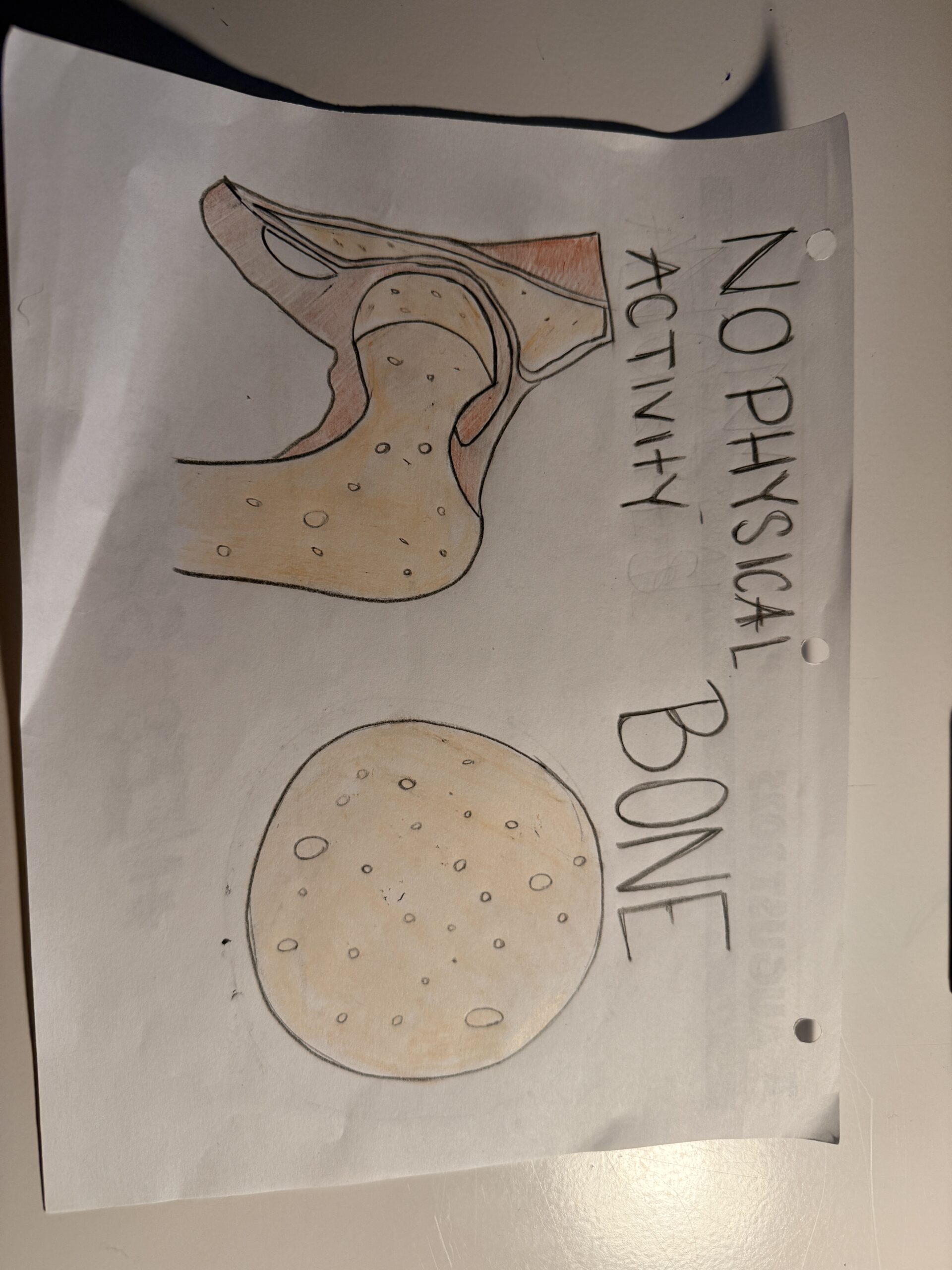
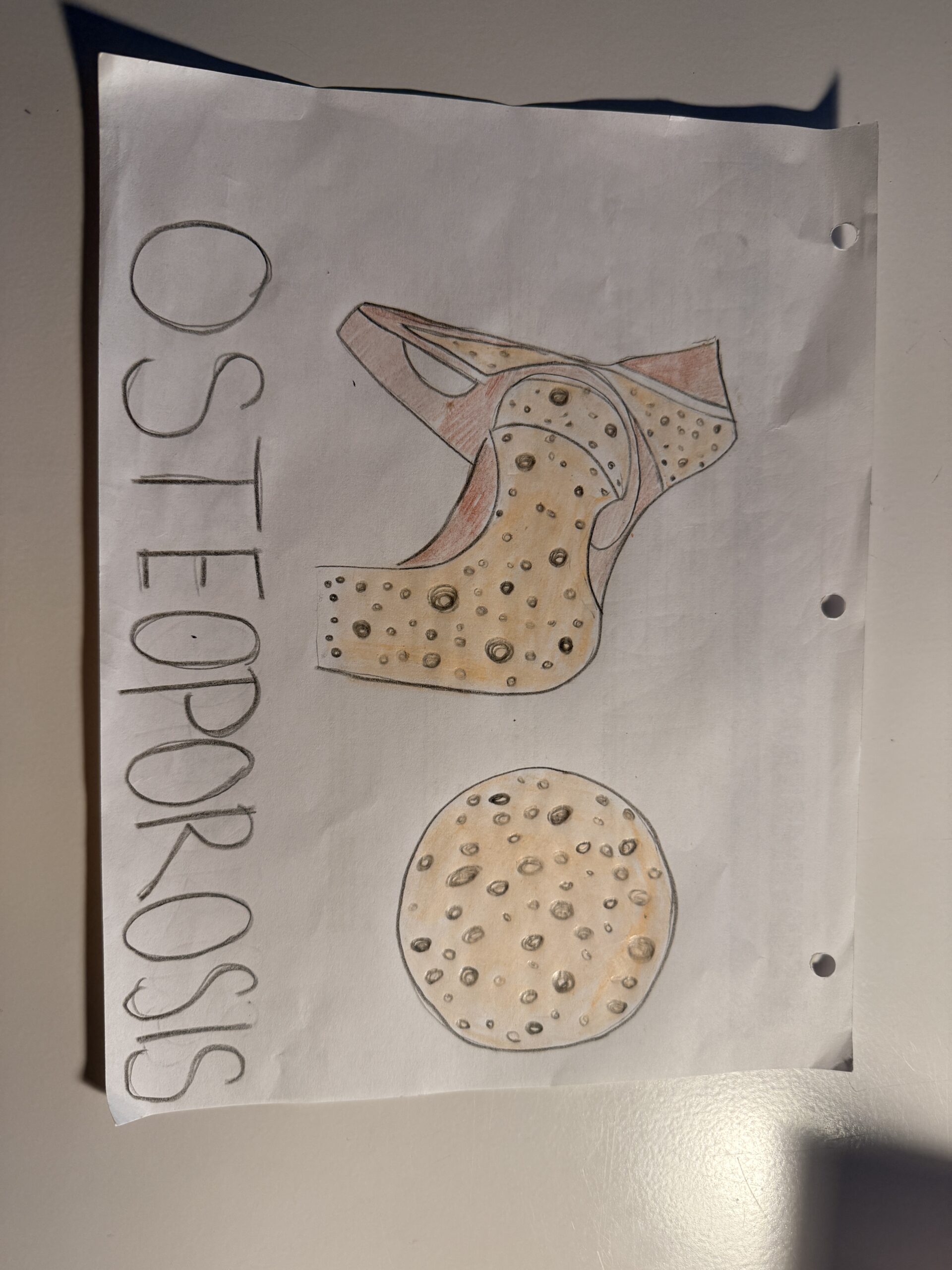
Athletes and non-athletes both have different bone density because of the difference in physical activity with non-athletes. Non athletes would be more prone to osteoporosis because of the difference in physical activity. I want to understand how activity levels affect bone strength and how it also applies with our hormonal regulation of bone growth.
Athletes and non athletes both have a difference in bone density because of the different physical activity levels of both groups. Bone density is when the higher bone density (thickness) of your bones will become so when you’re at a lower bone density osteoporosis can occur. Osteoporosis is when bone density is the decrease in bone and makes the bone porous and a lot more susceptible to injuries. Activity levels will affect bone strength to help slow down bone loss. Hormonal regulation of bone growth will also be a big part of bone density and how osteoporosis can happen over time.
Firstly, bones are living tissues because they have living cells. Osteoblast is the cell that is in charge of bone formation. Osteoclast is the Bone resorption and osteocytes that is in charge of maintaining mineral concentration of the bone structure. Bones are constantly breaking down and rebuilding because osteoclast and osteoblast are constantly remodeling where spongy bone is replaced every 3-4 years and compact bone is replaced every 10 years. Bones get stronger when you use mechanical stress on them. The research claims “normal individuals habituated to a high level of physical activity have greater bone density than less active individuals.” (Block, Friedlander, Brooks, Steiger, Stubbs, & Genant, 1989) The study explained “an average 18.0 and 9.0 greater bone density at the spine and hip between athletes and non-exercisers.” (Block, Friedlander, Brooks, Steiger, Stubbs, & Genant, 1989), this data is providing that the more mechanical load that you put on your body it will help with the bone formation because of physical activity increasing bone strength.
The hormones involved in bone health would be parathyroid hormone and that hormone helps with the response in blood calcium levels. Calcitonin is another hormone involved and that helps with the production in parafollicular cells of thyroid glands responsible for high levels of blood calcium levels. Growth hormone helps with mineralization and improves bone density. Estrogen helps with bone density because when the levels drop at menopause women risk being higher for osteoporosis. Hormonal imbalances can cause bone loss. (Lecture slide 29,38,41-43) A website I have found said “Imbalance between osteoblast and osteoclast activities, with estrogen deficiency after menopause typically accelerating bone turnover, where bone resorption surpasses bone formation” (Herbert, Williams, Hennis, & Smith, 2019)
Bone density in athletes vs non athletes? Athletes have regular weight bearing exercise so they are constantly having mechanical load and that puts a lot of stress on their bone and this article stated that athletes “ experienced much greater mechanical stress than most, leading to higher bone mineral density over time.” (Wilson, D.J 2019). Non- athletes have less physical activity so the mechanical stress on the bones. More likely having weaker bone density since they don’t do that much physical activity and an article had 59 young adults men divided in 3 groups where there was 20 water polo players, 19 weight trainers and 20 non exerciser they found no difference in bone density between water polo player and weight lifters because the water polo is non weight bearing, but found them still having more bone density vs the inactive people. Strength and mechanical load mattered more, (Block, Friedlander, Brooks, Steiger, Stubbs, & Genant, 1989).
Osteoporosis risk factor is from insufficient exercise to stress bones, diet poor in calcium and protein, smoking, genetics, age, hormone related conditions and the consumption of alcohol or some medications. Stuff you can do to prevent osteoporosis and treating it would be calcium, vitamin D supplements, weight bearing exercises, hormone replacement therapy. Weight bearing exercises help with osteoporosis like weightlifting, basketball and running because you’re putting stress on your body especially when going 100% effort. “Mechanical stress causes remodeling by producing electrical signals when bone is deformed. Hormonal control determines whether and when remodeling happens in response to changing blood calcium levels, but mechanical stress determines where it occurs.” (Pg 44, lecture slide unit 4). The help with calcium absorption will help with “making calcium phosphate and calcium carbonate, forming the hydroxyapatite crystals that give the bone its hardness.” (OpenStax 2022 p.217)
In summary activities that involve weight bearing activity can help signal the bones to rebuild themselves stronger. Exercise improves calcium absorption and bone mineralization, both are essential for keeping bones strong and not prone to fractures. To maintain strong bones people should engage in regular physical activity, consume enough calcium and vitamin D and avoid long periods of inactivity. Overall staying active is important to protect your bone but also keeping up with the amount of vitamins you need to keep up with your hormones. I hope I was able to show you how important it is to at least do some type of physical activity for you and your body to help keep in good shape.Your bone health matters to help prevent injuries and improve yourself.
References
Betts, J. G., Desaix, P., Johnson, E. W., Johnson, J. E., Korol, O., Kruse, D., Poe, B., Wise, J., Womble, M. D., & Young, K. A. (2022). Anatomy and Physiology. OpenStax , Rice University.
(n.d.). Wilson, D. J. (2019). Osteoporosis and sport. European journal of radiology, 110, 169-174.
(n.d.). Block, J. E., Friedlander, A. L., Brooks, G. A., Steiger, P., Stubbs, H. A., & Genant, H. K. (1989). Determinants of bone density among athletes engaged in weight-bearing and non-weight-bearing activity. Journal of Applied Physiology, 67(3), 1100-1105.
Betts, J. G., Desaix, P., Johnson, E. W., Johnson, J. E., Korol, O., Kruse, D., Poe, B., Wise, J., Womble, M. D., & Young, K. A. (2022). Anatomy and Physiology. OpenStax , Rice University.
Betts, J. G., Desaix, P., Johnson, E. W., Johnson, J. E., Korol, O., Kruse, D., Poe, B., Wise, J., Womble, M. D., & Young, K. A. (2022). Anatomy and physiology. OpenStax, Rice University.
Lecture slides Unit 4 Skeletal System
Hi Genevieve, I like your project however can you please submit your essay directly on Canvas? It will be easier for us to grade.
I like how you mentioned the study group with the weightlifters, water polo players, and the non-active young men. I think that’s really interesting because even though I’m sure people would assume that a water polo player is in better shape than a non-active person, considering that like you said water polo is a non-weightbearing sport. I think the more surprising aspect is that they had the same level of bone density as the weightlifting group. I also feel very educated on what I can do at this point in my life to help prevent me developing osteoporosis. More specifically, doing weight bearing exercises. I know you mentioned that hormone replacement therapy can help but I’m sure that is likely the least convenient for anyone to get into. Unlike consuming calcium and Vitamin D, which are both used in other places throughout the body as well. So not only are you giving insight on how to lower the risk of developing osteoporosis, but you’re promoting healthy decisions with those supplements in addition to exercise. The one thing that’s really stuck with me, is that someone can do all the right things but because of a genetic factor none of it can matter in the end anyway.