 Posted by
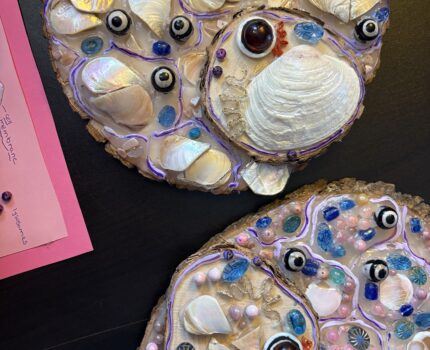
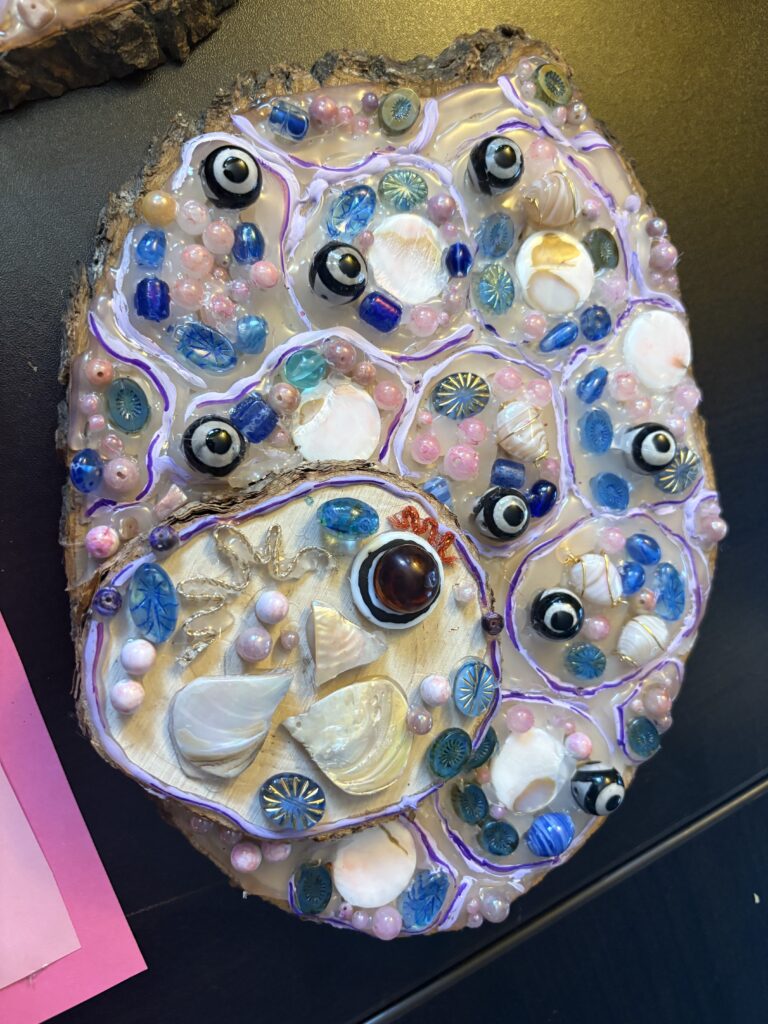
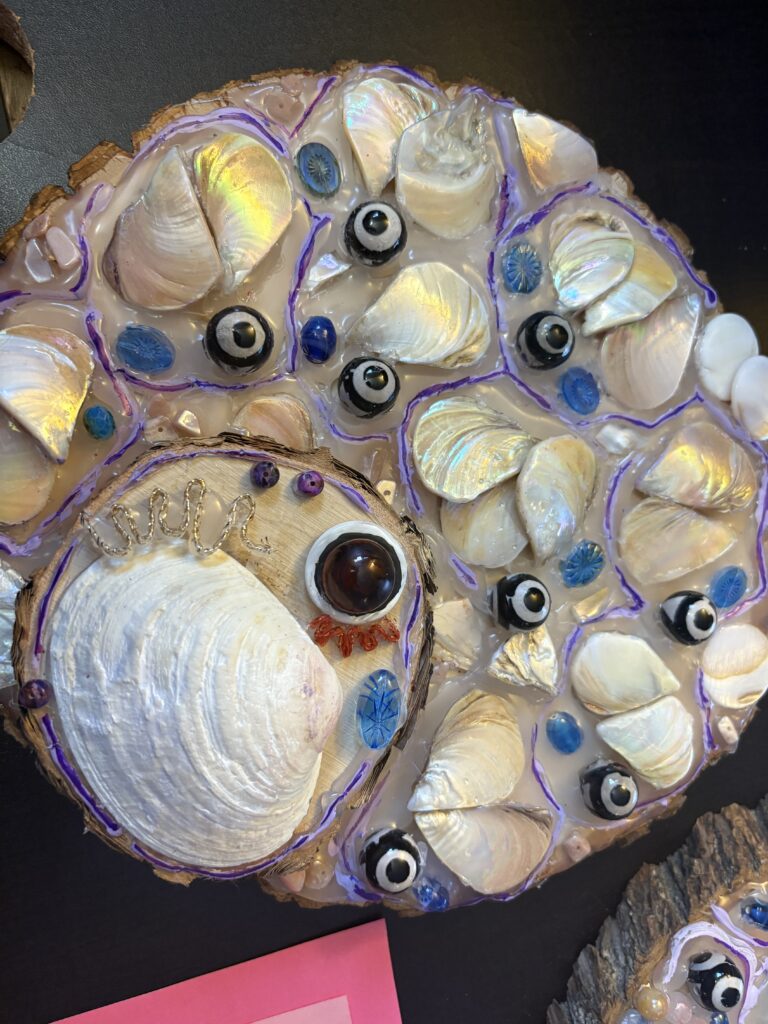
The objective of my project is to visually represent the structural similarities and differences between white and brown fat. I wanted to demonstrate the adipocytes together to form both white fat and brown fat adipose connective tissues. Within this, I also made an enlarged adipocyte for each of them. This shows the organelles in each adipocyte and how they differ.
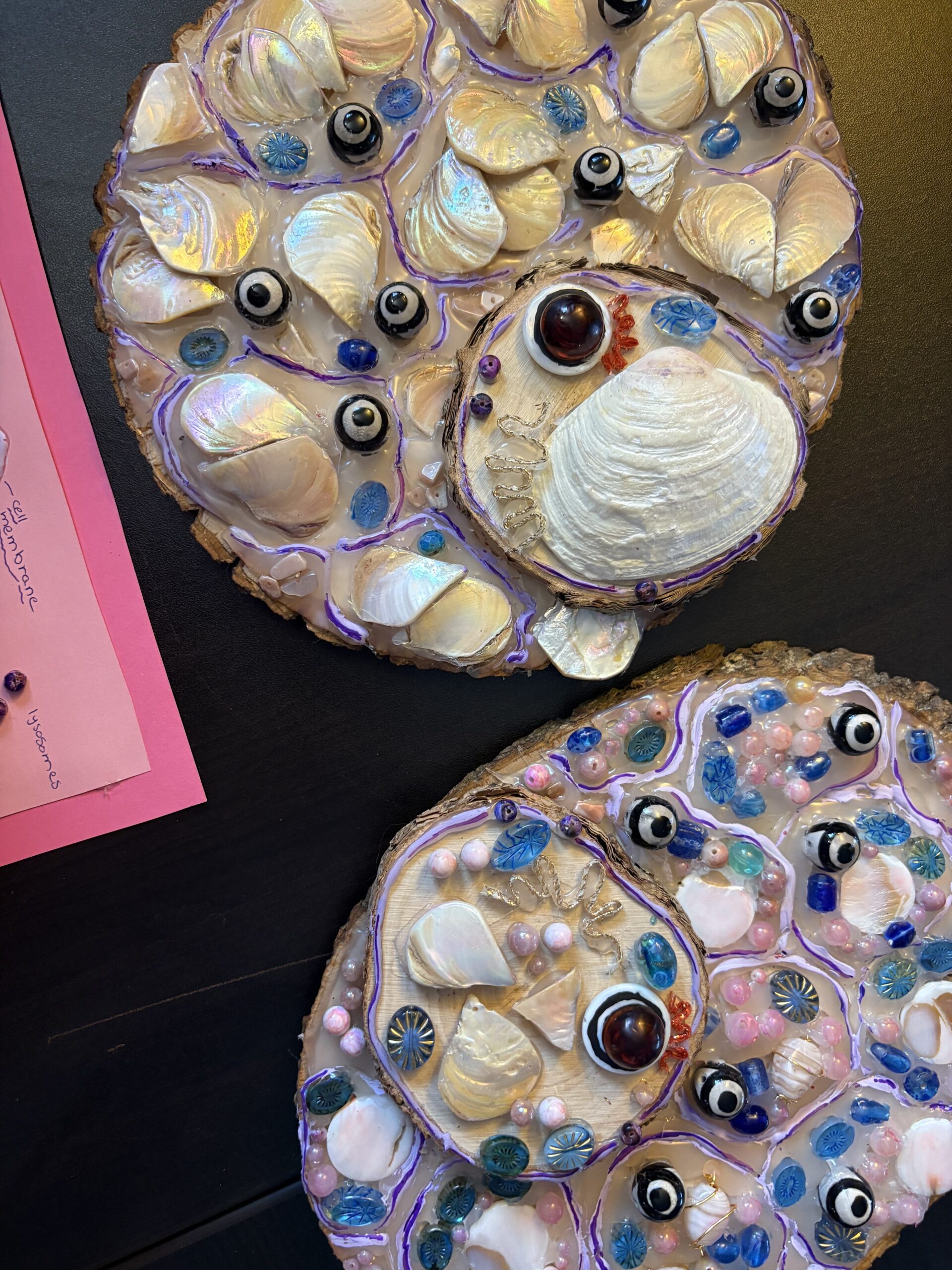
The objective of my project is to compare and contrast the function and structural
characteristics of white fat (WAT) and brown fat (BAT). I particularly wanted to highlight
the differences in mitochondria and lipid droplets within brown fat adipose tissues and
white fat adipose tissues. Their structural characteristics play a major role in their
individual functions. Both white and brown fat can be differentiated by their metabolic
features and appearance.
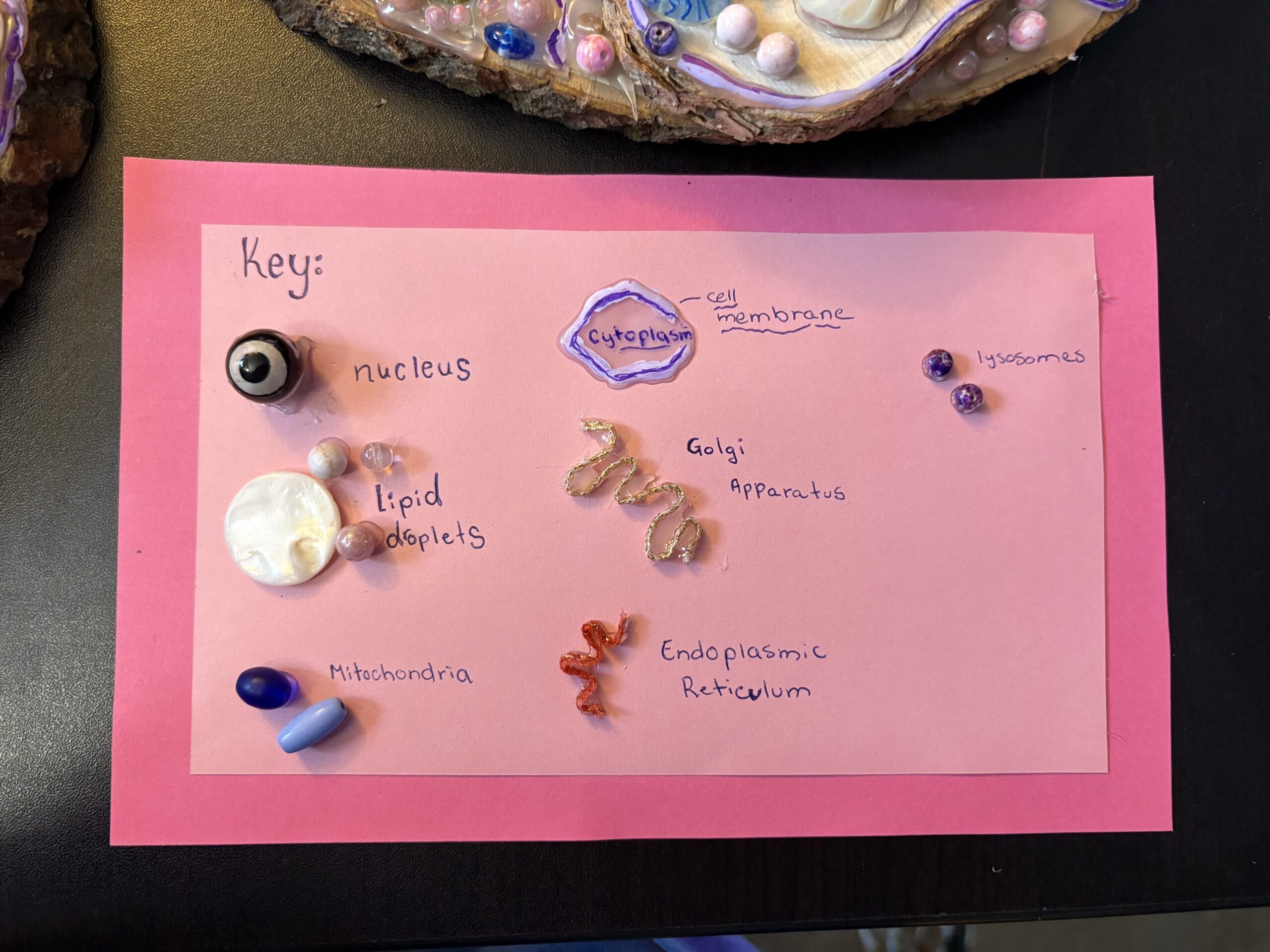
Within my project, I made a large white fat adipocyte. It has one large fat droplet,
a golgi apparatus, endoplasmic reticulum, a nucleus, a singular mitochondria, and
lysosomes. The lipid droplet composes about 90% of the cell volume. The mitochondria
are elongated and thin. They come in variable amounts, but make up far less of the cell
volume in comparison to BAT. (Lee, Jae, et al., 2019).
The brown fat adipocyte is similar. The main differences between the two is the
size of the fat droplets, as well as the increase of mitochondria in brown fat. BAT have
multicolar lipid droplets. This means there are multiple, smaller fat droplets within the
adipocyte. The droplets are adapted for rapid energy metabolism. It allows for quicker
lipolysis, which is the breakdown of fat (Forner, Francesca, et al., 2009).
The adipocytes represent most of the organelles found within the adipose tissue.
Behind this enlarged model of the cell, I made a demonstration of the formation of
adipocytes to create the adipose tissue. One of the main functions of white fat is energy
and nutrient storage. Other functions include insulation and shock absorption. The
large, singular fat droplets aid in this function. There is a thin cytoplasm which allows for
more storage space. Both white and brown fat are highly vascularized. Subcutaneous
white fat is found directly under the skin. For example, it is one of the primary breast
tissues. Visceral white fat is found within the abdominal cavity. It can be found lining and
cushioning organs such as the kidney. (Forner, Francesca, et al., 2009)
Brown fat adipose tissue has a large number of mitochondria. It is often called
the “non-shivering fat” because of its heat generation properties. Heat production is its
main function (Nicholls, David. 1978, pg. 2). The mitochondria membranes have
thermogenin. As described in the Scientifica Review Article, Brown Fat Tissue Growth
and Development, this allows protons to pass through the cell membrane without going
through the process of ATP synthase. Heat is produced by UCP-1 (Protein 1)
uncoupling, which results in a leaky mitochondria. The “leak” refers to creating a
pathway for the protons to cross the membrane, ensuring they can bypass the ATP
synthesis. Since the energy created by the proton flow is not used for ATP, it is instead
released in heat (Symonds, Michael. 2013, pg. 2). Brown fat is very minimal within
adults. If found in an adult, it is primarily located in small deposits around the neck,
kidney, and chest. Brown fat is common in newborns. It acts as an internal heater since
babies do not have the ability to produce heat through shivering.
Although similar, both these loose connective adipose tissues have vastly
different functions and characteristics. The purpose of my project is to visually represent
these differences and similarities. I wanted to create a piece that is easy to follow and
can connect the structure to its function. I often have difficulty understanding how
something on such a small, anatomic/cellular level can relate to our overall functions.
I’m hoping my project allows others to better comprehend tissues and how they connect
on a larger scale.
Symonds, Michael E., Brown Adipose Tissue Growth and Development, Scientifica , 2013,
305763, 14 pages, 2013. https://doi.org/10.1155/2013/305763
Nicholls, David G., Brown Adipose Tissue Mitochondria, Biochimica et Biophysica Acta (BBA) –
Reviews on Bioenergetics , 1978, Volume 549, issue 1, pg. 1-29.
https://www.sciencedirect.com/science/article/pii/0304417379900168#section-cited-by
Forner, Francesca et al. Proteome Differences between Brown and White Fat Mitochondria
Reveal Specialized Metabolic Functions. Cell Metabolism – Cell Press Journal, Volume 10,
Issue 4, 324 – 335 . https://www.cell.com/AJHG/fulltext/S1550-4131(09)00264-2
Lee, J.H.; Park, A.; Oh, K.-J.; Lee, S.C.; Kim, W.K.; Bae, K.-H. The Role of Adipose Tissue
Mitochondria: Regulation of Mitochondrial Function for the Treatment of Metabolic Diseases.
Int. J. Mol. Sci. 2019, 20 , 4924 . https://doi.org/10.3390/ijms20194924
Unit 3 Lecture Notes Slide 42-44
Ahnika’s STEAM project compared and contrasted brown fat and white adipose tissue. She explained how much space a lipid droplet in white adipose tissue takes up within a cell which was surprising to me. Is the space taken by lipid droplets in brown adipose tissue less because there are more mitochondria? Her paper talks about how breast tissue is made up of white fat. I never really thought about what breast tissue was made up of before. I guess I always just assumed it was a complicated formation of the ducts with muscle around it. Although we know that fat surrounds and protects our organs I would like to see a visualization of it. I am glad to know now how brown fat generates heat. It is so interesting how it bypasses having to go through ATP synthesis so it can undergo its own kind of cycle to produce heat. It definitely makes sense why babies have brown fat. If adults were to carry brown fat into adulthood I feel like we would all be better equipped for when it is 40 below. Although if we still had our brown fat would we still be good at cooling ourselves down? She explained that she tried to make her project easy to understand because she finds it difficult sometimes to understand things at a molecular level. I also tend to have a difficult time with this so I can relate. There is just so much going on and the processes done at that level are complicated. The writing done for this project was easy to articulate and I was able to learn a lot from it. She was very creative in her model by using different shells and beads to help visualize lipid droplets.