 Posted by
By: Amanda Fontana
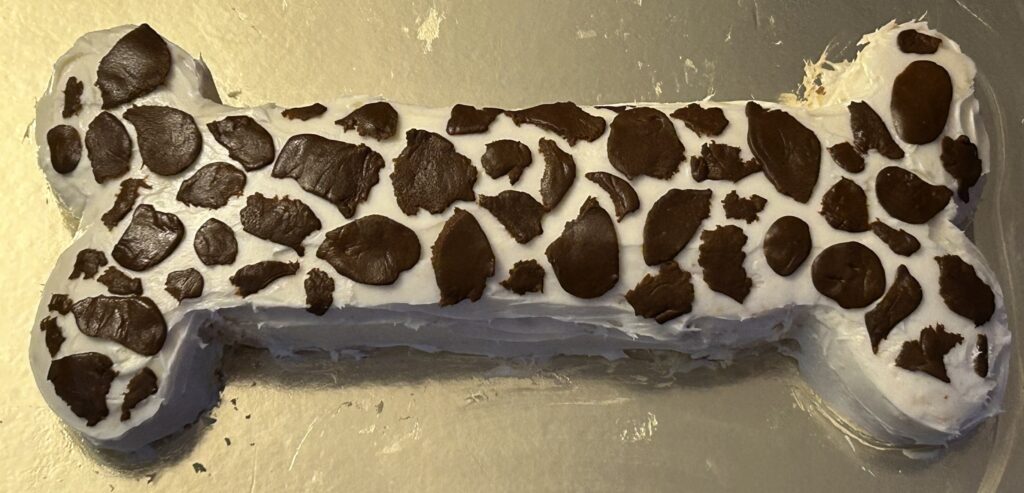
For my STEAM project, I chose to explore osteoporosis, a common yet serious bone disorder. Osteoporosis is a bone disorder characterized by decreased bone density, leading to deterioration of the bones. This results in fragile bones and an increased risk of fractures. While it can affect just about anyone, women are more likely to be impacted due to a combination of biological, hormonal, and lifestyle factors. The most common fractures with osteoporosis occur in the hip, spine, and wrist. These fractures can cause higher health care costs, permanent physical disability, impaired quality of life, and increased mortality. This project examines the effects of osteoporosis and its underlying causes, as well as the treatment options for osteoporosis.
While both men and women can develop osteoporosis, women are especially vulnerable to osteoporosis, especially after menopause.
According to statistics, females lose bone mass more quickly than males. This generally happens around the age of 50 due to menopause, which brings significant hormonal changes. During this time, estrogen levels decrease sharply. Estrogen is a hormone that promotes osteoblastic activity and stimulates the production of bone matrix. Hitting menopause is already a big change, but for many women, it marks the start of a new battle—osteoporosis. Suddenly, the body’s natural protector, estrogen, begins to decline, and with it, the bones start to weaken more rapidly. Without sufficient estrogen, osteoclasts become overactive, breaking down bone more quickly than osteoblasts can rebuild it.
Other deficiencies (such as low calcium or vitamin D), certain medications, sedentary lifestyle, chronic diseases, and genetic predisposition. For elderly people, the fracture of a hip could be life-threatening. This is due to the immobility that comes during the healing process. Calcium and vitamin D are essential for building and maintaining strong bones; without enough of these, bones become weak and brittle. People who use certain medications are at higher risk for osteoporosis. These drugs, such as corticosteroids, long-term use of anticonvulsants, and certain cancer treatments, can interfere with bone formation or increase bone loss.
Osteoporosis is diagnosed through tests that measure bone density and assess the risk of fractures. The most common and reliable method is a bone mineral density (BMD) test. This is done by an X-ray called a DEXA scan (Dual-Energy X-ray Absorptiometry). It measures the density of one’s bones.
There are multiple treatments for osteoporosis these days. According to Srivastava M, Deal C, “The pharmacologic options include bisphosphonates, HRT, SERMs, and calcitonin. PTH had received FDA advisory committee approval. Alendronate has been approved for treatment of osteoporosis in men, and other treatments for men are under evaluation” (2002). “In addition to pharmacotherapy, adequate intake of calcium and vitamin D, avoidance of smoking and excessive alcohol intake, weight-bearing and resistance-training exercise, and fall prevention are included in fracture prevention” (LeBoff et al., 2022).
References
LeBoff MS, Greenspan SL, Insogna KL, Lewiecki EM, Saag KG, Singer AJ, Siris ES. The clinician’s guide to prevention and treatment of osteoporosis. Osteoporos Int. 2022 Oct;33(10):2049-2102. doi: 10.1007/s00198-021-05900-y. Epub 2022 Apr 28. Erratum in: Osteoporos Int. 2022 Oct;33(10):2243. doi: 10.1007/s00198-022-06479-8. PMID: 35478046; PMCID: PMC9546973.
Srivastava M, Deal C. Osteoporosis in elderly: prevention and treatment. Clin Geriatr Med. 2002 Aug;18(3):529-55. doi: 10.1016/s0749-0690(02)00022-8. PMID: 12424871.
Osteoporosis is a disease which is characterized by low bone mass and deterioration of the bone tissue, results from osteoclastic bone resorption not compensated for by osteoblastic bone formation. This is defined as a “skeletal disorder characterized by compromised bone strength predisposing a person to an increased risk of fracture”. There are three types of bone cells for modeling and remodeling: bones resorbing osteoclasts, bone forming osteoblasts, and osteocytes, former osteoblasts that have become trapped in the bone matrix. Osteocytes are the most abundant cell type in bone and were for a long time regarded as non-participating bystanders of bone metabolism. Osteocytes are important regulators of calcium and phosphate homeostasis, their central role as initiators and drivers of bone remodeling by communicating with and orchestrating osteoblast and osteoclast formation and activity is now well established. Osteoporosis is an example of multifactorial disease with a complex interplay of genetic, intrinsic, exogenous, and lifestyle factors contributing to an individual’s risk of the disease. Estrogen deficiency and secondary hyperparathyroidism in elderly due to estrogen deficiency, reduced dietary intake, and widely prevalent vitamin D deficiency, as the key determinants of postmenopausal osteoporosis. Treatment for osteoporosis in the first step consists of basic interventions such as prescribing exercise, weight bearing physical activity and exercises that improve balance ad posture, a diet that is rich in vitamin D and calcium, quitting smoking, and limited alcohol use. Osteoporosis affects men and women of all races and ethnic groups. Osteoporosis can occur at any age, although the risk for developing the disease increases as you get older. For women, the disease begins a year or two before menopause.