
 Posted by
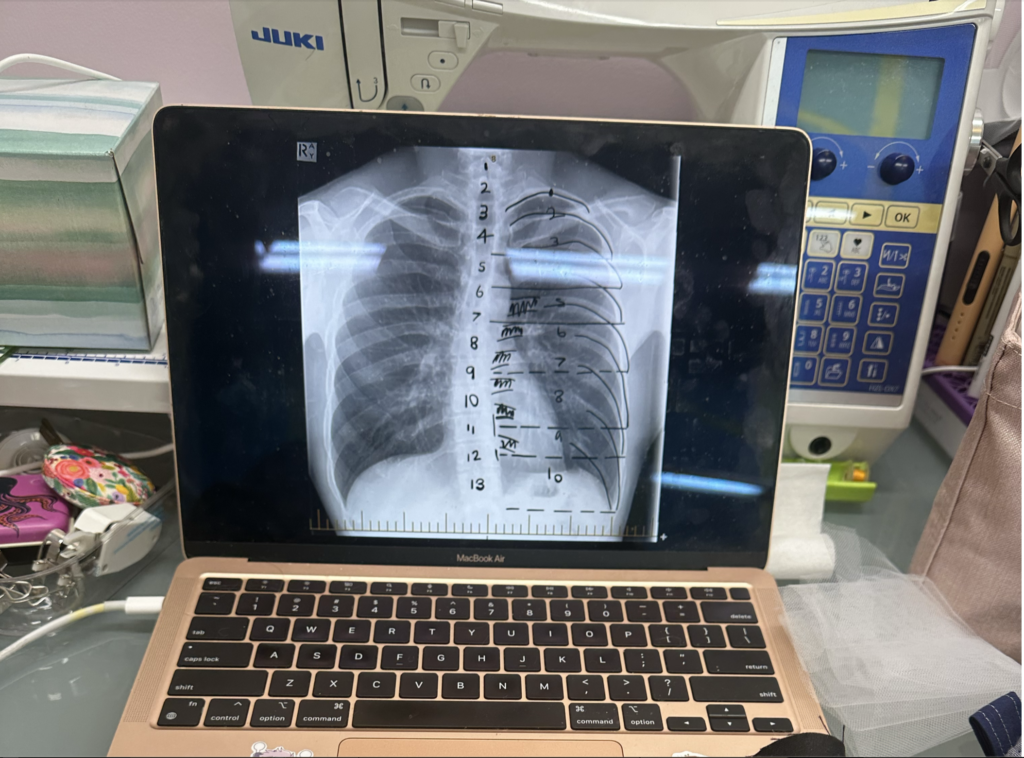
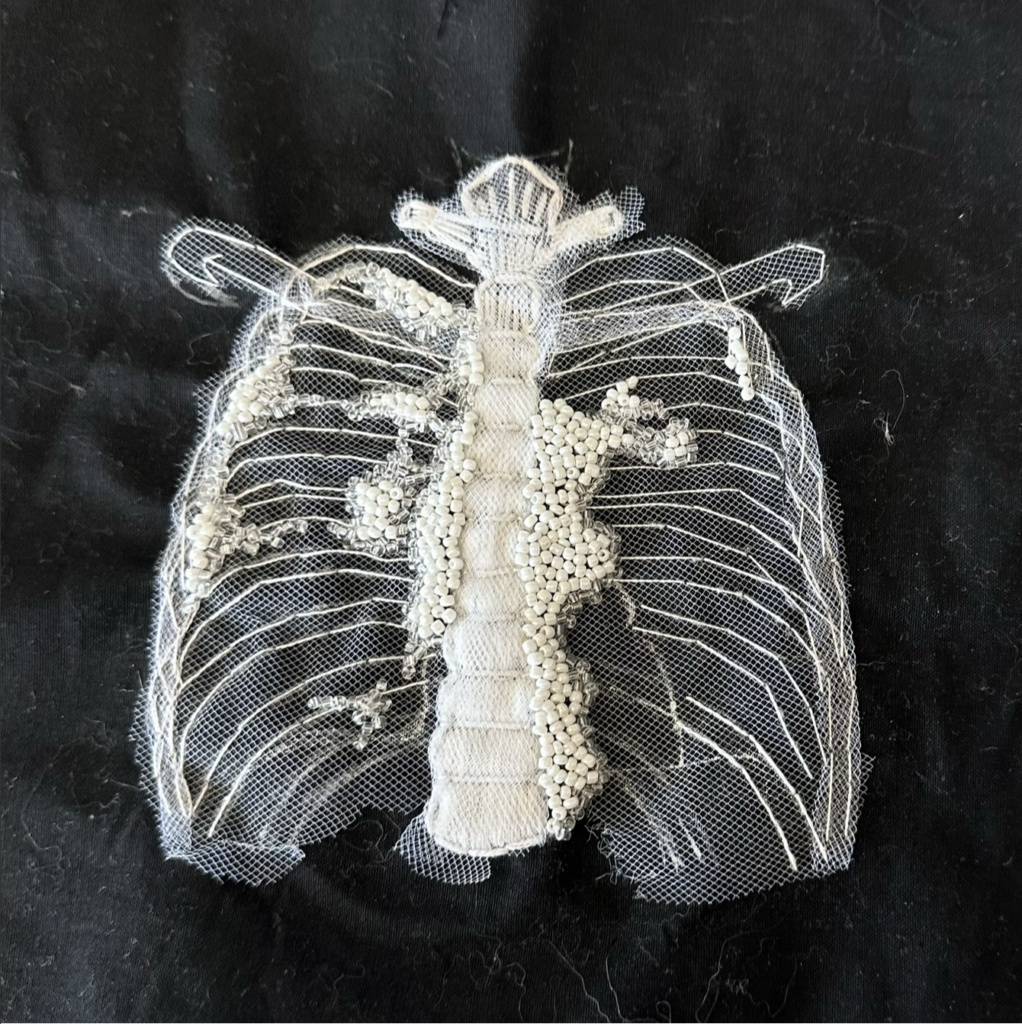
WIP and finished pictures attached above! ^
Idiopathic pulmonary fibrosis is a chronic respiratory disease which harshly impacts the structure and function of the lungs. It affects approximately 5 million people worldwide, and yet its cause and effective treatment go largely unknown. Despite this, research has identified some key factors which lead to pulmonary fibrosis, including genetic susceptibility, environment, and habits.
Idiopathic pulmonary fibrosis (IPF) is characterized by an imbalance between the deposition of dead tissue and the rebuilding of new cells. When the body begins to fail to break down the extracellular matrix(ECM) surrounding the alveoli, it begins to accumulate in excess (Todd et al. (2012)). This process begins when fibroblasts, the primary producers of ECM, begin to proliferate at a higher rate than normal. It can also occur if the cells experience slowed apoptosis, which is a form of cell death in which the cells terminate themselves in order to prevent inflammation. The ultimate cause of the buildup of ECM is debated, but the key factor seems to be the fibroblasts(Todd et al. (2012)).
As this buildup continues, the lungs become more and more consumed by the encroachment of the ECM. The functioning alveoli are slowly rendered incapable, leading to progressively worsening shortness of breath and cough in patients experiencing IPF. Analysis of affected lung tissue has shown that the ECM doesn’t actually destroy the alveoli, but actually destroys the interstitial tissue between them(Noble et al. (2012)). However, since the alveoli rely largely on their surface area to exchange gas effectively, the destruction of their interstices is just as effective.
Unfortunately, IPF progresses very quickly, resulting in death only 2-5 years after diagnosis. Since the disease causes the lungs to effectively atrophy, breathing becomes increasingly difficult as it progresses. Lung architecture is destroyed, and stiff lung begins to develop as the tissue toughens(Razzaque & Taguchi, 2003). The ultimate cause of death in most patients is respiratory failure, as they reach a point where they are no longer able to function on the amount of oxygen that their body is providing them(Razzaque & Taguchi, 2003).
Major risk factors include being over the age of 50, being male, and any history of smoking(Noble et al., 2012). Another small, but notable, risk factor is genetics. Several studies have been conducted determining the genetic transmission of IPF, and have found that genetics contribute to roughly 5 percent of cases(Noble et al., 2012). It is very uncommon in those under 50, and as such, no extensive search for underlying diseases of the connective tissue or other related causes has been conducted at large(Noble et al., 2012). Additionally, weak alveolar epithelium is implied to be at least partially responsible for the onset of IPF. This is mostly only a factor in those who have experienced past respiratory illness, but weak epithelia can be caused by a variety of environmental and genetic factors(Noble et al., 2012).
Despite the fact that effective treatments remain elusive, the amount of research on the subject has significantly increased in recent decades. Studies have shown that the effects of scarring can possibly be reduced by utilizing certain inhibitors of collagen, which comprises a large part of scar tissue(Razzaque & Taguchi, 2003). This could bring a bit of hope for patients suffering from IPF, and hopefully can develop and become a proven therapy method.
Works Cited
Noble, P. W., Barkauskas, C. E., & Jiang, D. (2012). Pulmonary fibrosis: patterns and perpetrators. Journal of Clinical Investigation, 122(8), 2756–2762. https://doi.org/10.1172/jci60323
Razzaque, M. S., & Taguchi, T. (2003). Pulmonary fibrosis: cellular and molecular events. Pathology International, 53(3), 133–145. https://doi.org/10.1046/j.1440-1827.2003.01446.x
Todd, N. W., Luzina, I. G., & Atamas, S. P. (2012). Molecular and cellular mechanisms of pulmonary fibrosis. Fibrogenesis & Tissue Repair, 5(1). https://doi.org/10.1186/1755-1536-5-11