Posted by
Fulkerson Osteotomy
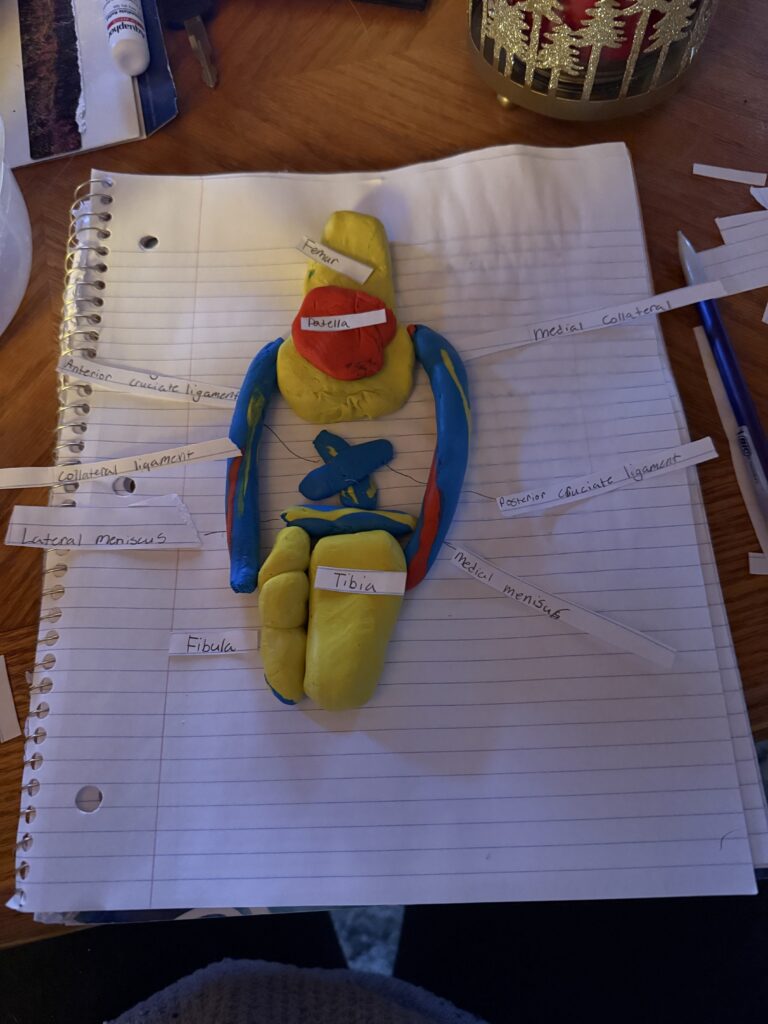
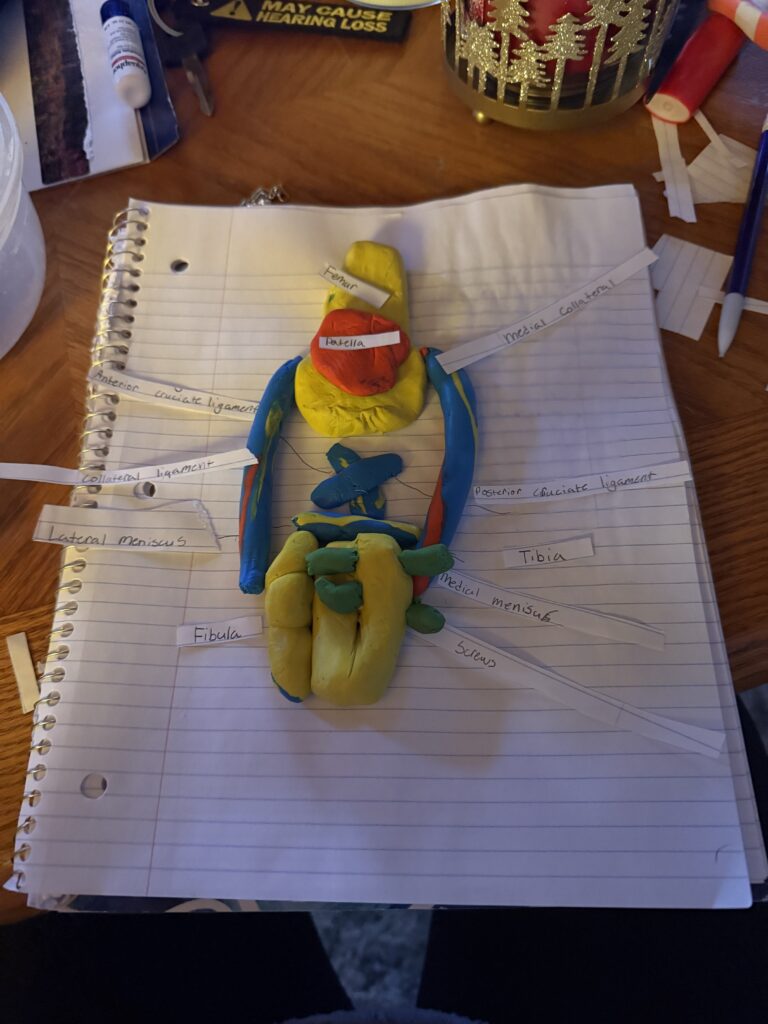
A Fulkerson osteotomy is a surgery that helps fix patellar maltracking by moving the tibial tubercle to a better spot so the kneecap can glide the way it’s supposed to. While the main goal of the surgery is to improve knee stability and reduce pain, it actually gives a really good look at how bones heal in general. Since the procedure involves cutting the bone and shifting it, the body has to go through all the regular stages of bone repair afterward. These stages include hematoma formation, fibrocartilaginous callus formation, bony callus formation, and finally, bone remodeling.
Right after the cut is made during surgery, the body starts the first stage, hematoma formation. Basically, the broken blood vessels leak into the area and form a clot. Even though it just looks like a bruise from the outside, this clot is super important because it brings in the cells that will eventually rebuild the bone. Yilmaz. (2025) showed that once this healing process gets going and the bone settles into its new alignment, patients actually have better knee control and improved movement overall, which means the body’s repair system is doing its job well.
The second stage is fibrocartilaginous callus formation, where the body starts to stabilize the cut bone. Instead of real bone, the area fills with a softer material made by fibroblasts and chondroblasts. Think of it like a temporary glue that keeps the bone piece in its new location. This stage is really important in a Fulkerson osteotomy because if the tubercle doesn’t stay where it’s moved to, the kneecap won’t track correctly.
After that comes bony callus formation. This is when the soft callus gets replaced with harder, woven bone. Patients usually start putting more weight on the leg during this time, and that pressure actually helps the new bone grow in the right direction. In a study by Crebs. (2015), they found that using femoral nerve stimulation along with the osteotomy helped some patients recover function even better, which shows how bone healing and muscle function work together during recovery.
The final phase, bone remodeling, takes the longest. During this stage, the woven bone becomes mature, stronger lamellar bone. This process can last for months, but it’s how the bone becomes fully solid and adapts to the forces placed on it. Over time, the tibial tubercle becomes completely integrated into its new location, and the knee starts to function more normally again.
Overall, the Fulkerson osteotomy is more than just a fix for knee problems; it’s a great example of every stage of bone repair happening in real time. Watching how the bone progresses from a fresh surgical cut to a fully remodeled structure makes the stages of bone healing much easier to understand.
References
Crebs, D. T., Anthony, C. A., McCunniff, P. T., Nieto, M. J., Beckert, M. W., & Albright, J. P. (2015). Effectiveness of Fulkerson osteotomy with femoral nerve stimulation for patients with severe femoral trochlear dysplasia. Iowa Orthopaedic Journal, 35, 34–41.
Yilmaz, F. B., Cetin, O., & Beyzadeoglu, T. (2025). Fulkerson osteotomy effect on knee joint position sense, gait kinematics, and functional level. Orthopaedic Journal of Sports Medicine, 13