Over recent decades, First World countries have seen rising rates of allergies, asthma, and autoimmune disorders, prompting researchers to examine how modern environments shape immune development. Two major explanations are the Hygiene Hypothesis and the Old Friends Hypothesis. The Hygiene Hypothesis argues that reduced microbial exposure in early childhood leads to an undertrained immune system that overreacts to harmless substances. Highly sanitized environments limit microbial diversity, weakening the development of immune tolerance and causing white blood cells—especially eosinophils, basophils, and mast cells—to become hyperreactive, increasing risks of allergies and autoimmune disease. The Old Friends Hypothesis builds on this idea by suggesting that humans evolved alongside specific environmental microbes, such as helminths and environmental mycobacteria, that helped regulate inflammation and support proper immune function. Modern urban living, processed water, and reduced outdoor exposure limit contact with these organisms, disrupting regulatory pathways involving macrophages and T lymphocytes. This loss of evolutionary microbial partners may contribute to chronic inflammation and autoimmune disorders.
Together, these hypotheses highlight how reduced microbial diversity and loss of key environmental microbes can alter white blood cell behavior, disrupt immune regulation, and increase susceptibility to modern inflammatory diseases
 Posted by
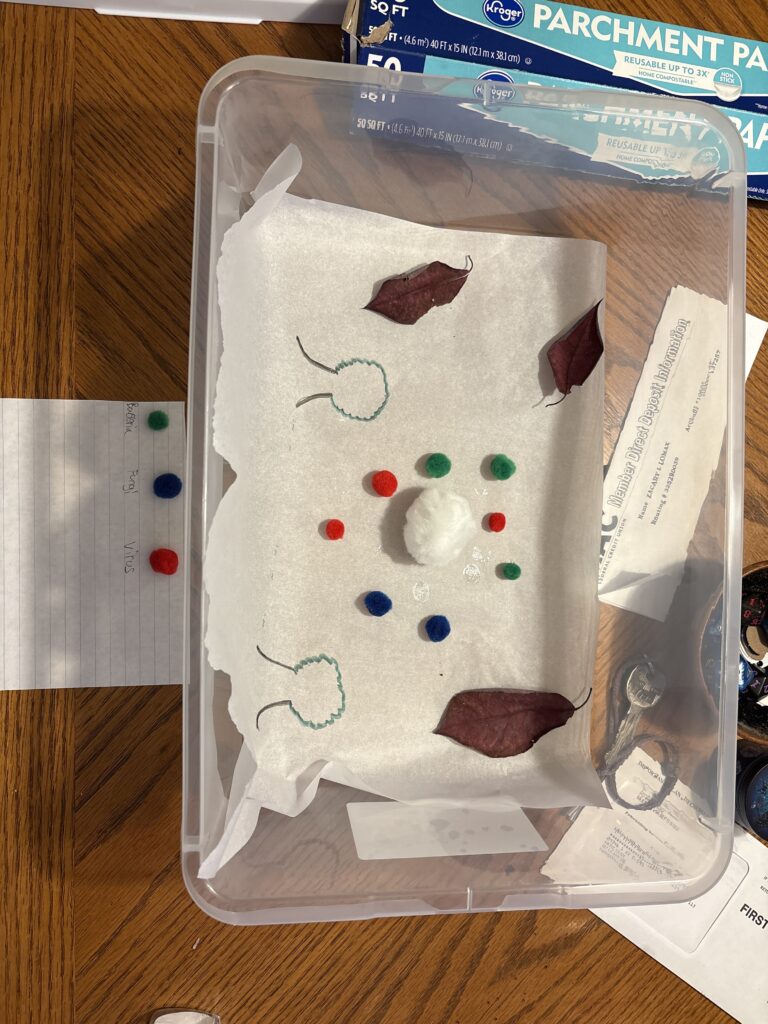
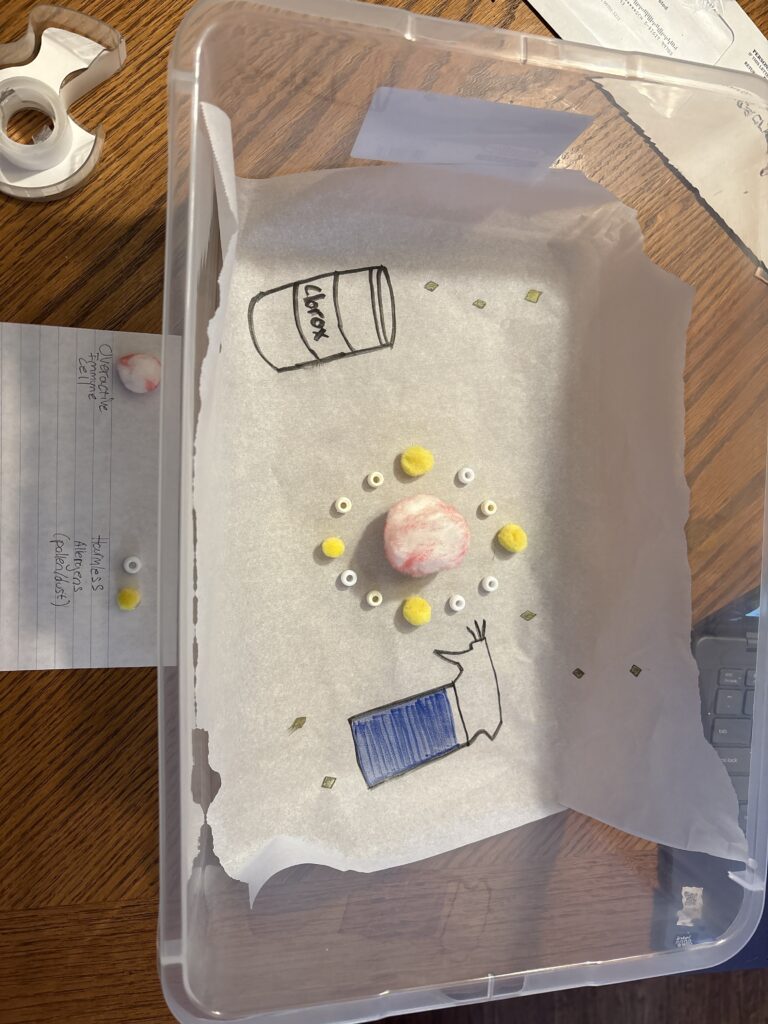

Over recent decades, First World countries have seen rising rates of allergies, asthma, and autoimmune disorders, prompting researchers to examine how modern environments shape immune development. Two major explanations are the Hygiene Hypothesis and the Old Friends Hypothesis. The Hygiene Hypothesis argues that reduced microbial exposure in early childhood leads to an undertrained immune system that overreacts to harmless substances. Highly sanitized environments limit microbial diversity, weakening the development of immune tolerance and causing white blood cells—especially eosinophils, basophils, and mast cells—to become hyperreactive, increasing risks of allergies and autoimmune disease. The Old Friends Hypothesis builds on this idea by suggesting that humans evolved alongside specific environmental microbes, such as helminths and environmental mycobacteria, that helped regulate inflammation and support proper immune function. Modern urban living, processed water, and reduced outdoor exposure limit contact with these organisms, disrupting regulatory pathways involving macrophages and T lymphocytes. This loss of evolutionary microbial partners may contribute to chronic inflammation and autoimmune disorders.
Together, these hypotheses highlight how reduced microbial diversity and loss of key environmental microbes can alter white blood cell behavior, disrupt immune regulation, and increase susceptibility to modern inflammatory diseases